
How to Start a Craft Hobby: A Practical Guide 2026
Many people in Italy want to explore creative craft hobbies but feel unsure about how to start. Starting a craft activity can bring joy, reduce stress, and even create opportunities for additional income. This guide offers clear and practical steps to help you successfully start a craft hobby in 2026, from initial preparation to concrete realization, and finally to valuing your creations. You will discover how to define goals, understand legal aspects, choose materials, organize your space, and turn passion into tangible results.
Table of Contents
- Preparing to start a craft hobby
- Understanding the legal and tax aspects
- How to choose materials and find inspiration
- Practical execution: starting to create and setting up your workshop
- Evaluating and valuing your craft hobby
- Discover creative experiences and workshops with Club Joy
- How to start a craft hobby: frequently asked questions
Key Points
| Point | Details |
|---|---|
| Mental preparation | Define clear goals and assess time and financial commitment before investing |
| Legal aspects | Understand when a VAT number and INPS registrations are needed for craft activities |
| Materials and inspiration | Choose beginner-friendly materials and find ideas through social media and workshops |
| Workspace | Organize a functional home workshop to optimize creativity and productivity |
| Valuation | Assess the quality of creations and consider sales channels to monetize your hobby |
Preparing to start a craft hobby
Before buying materials or enrolling in courses, you need to define a clear mission for your craft hobby. Ask yourself what you want to achieve: are you just looking for creative relaxation, do you want to develop specific skills, or do you intend to generate extra income? Starting a craft business requires defining a mission, understanding the market, and evaluating your personal commitment. This clarity will help you make informed decisions about investments and time.
If you plan to sell your creations in the future, consider who your ideal customers will be. Do you want to target young adults interested in modern decor, families looking for educational toys, or collectors of unique pieces? Understanding your audience influences the type of craft you choose and how you communicate the value of your work.
Realistically assess how much time you can dedicate to your hobby weekly. A consistent commitment of 3-5 hours per week can yield satisfying results without overloading your daily routine. Also consider the initial budget: many craft hobbies require modest investments between 50 and 200 euros for basic materials, while others may cost more for specialized equipment.
Start with small projects to test your passion before investing heavily. Buy beginner kits or basic materials to make 2-3 trial pieces. This approach allows you to explore different creative project ideas without significant financial risks.
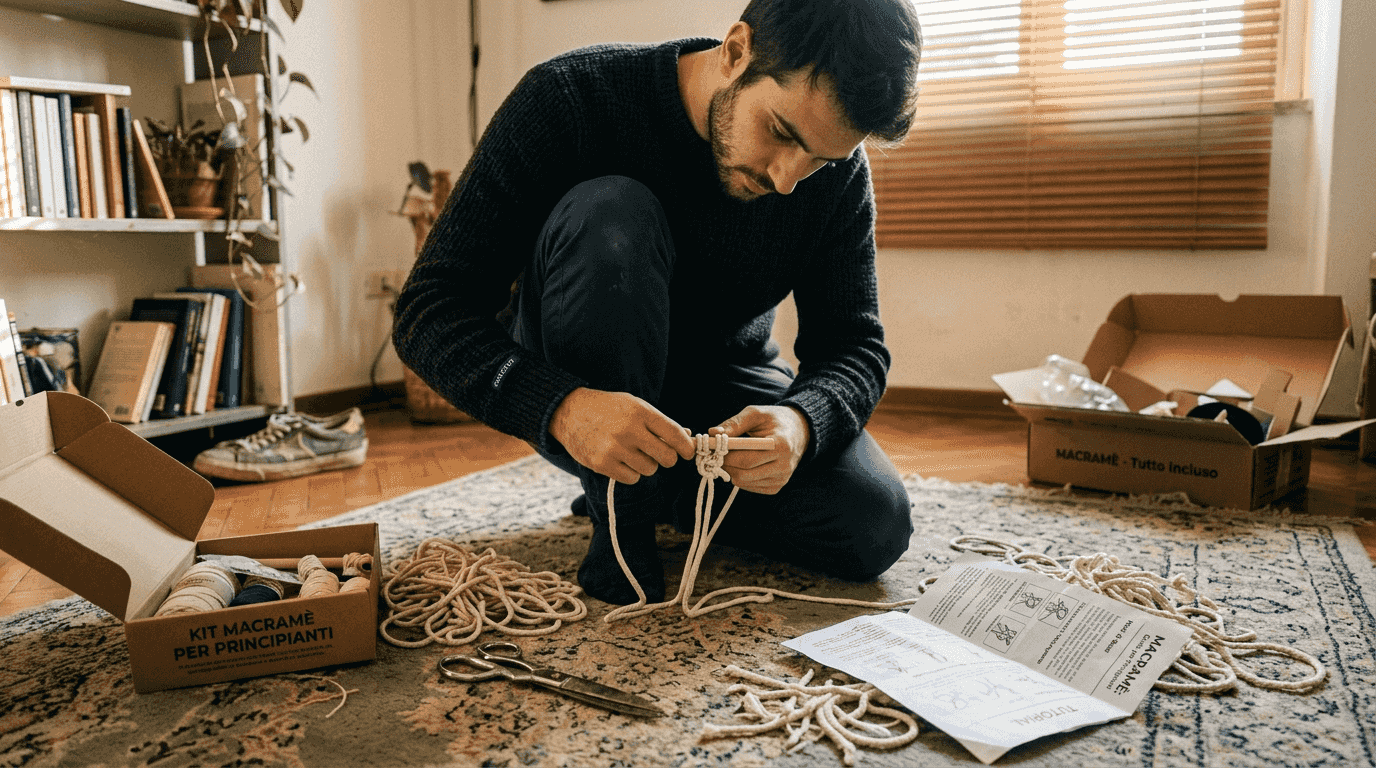
Pro Tip: If you are unsure about the direction of your hobby, avoid immediately registering for a VAT number. Experiment for a few months as a personal activity to see if the chosen craft truly excites you before formalizing the business.
Consider these aspects during the preparation phase:
- Define specific and measurable goals for the first 3-6 months
- Research the actual costs of necessary materials and tools
- Identify available spaces at home for the workshop
- Assess whether you have basic skills or need initial training
- Plan a monthly budget dedicated to your hobby
Understanding the legal and tax aspects
In Italy, opening a VAT number is mandatory for all craft activities, regardless of the income generated. This rule also applies if you occasionally produce and sell handmade creations. Ignoring this obligation can lead to significant administrative penalties, so it is crucial to understand when and how to comply with tax obligations.
Registration with the INPS artisans and traders management becomes necessary when your activity meets specific requirements of continuity and prevalence. If crafting becomes your main occupation or generates regular income, you will need to register and pay social security contributions. Consult a commercialista (accountant specializing in small businesses) to evaluate your specific situation.
For those who want to sell creations online, there are additional requirements such as registration in the business register and communication of business commencement to the municipality. E-commerce platforms often require valid tax documentation before allowing you to sell, so be prepared to handle these bureaucratic aspects.
If your hobby remains experimental or temporary, you can delay VAT registration until you decide to regularly commercialize your creations. However, never sell products without adequate tax coverage, as the legal consequences can outweigh the economic benefits.
Pro Tip: Many beginner artisans underestimate tax costs. Set aside at least 30% of gross revenues to cover taxes, INPS contributions, and accounting fees. This financial discipline prevents unpleasant surprises at year-end.
Follow this checklist for basic legal aspects:
- Consult a commercialista before selling your first creation
- Check the requirements for opening a VAT number in your municipality
- Understand the differences between flat-rate and ordinary tax regimes
- Inquire about any specific licenses for your type of craft
- Keep all material purchase receipts for tax deductions
- Consider liability insurance for products sold
How to choose materials and find inspiration
The DIY movement is experiencing an extraordinary resurgence, fueled by platforms like TikTok and YouTube, with growing interest in techniques such as tufting and latch hooking. These trends offer excellent opportunities for beginners thanks to the availability of detailed tutorials and online support communities.
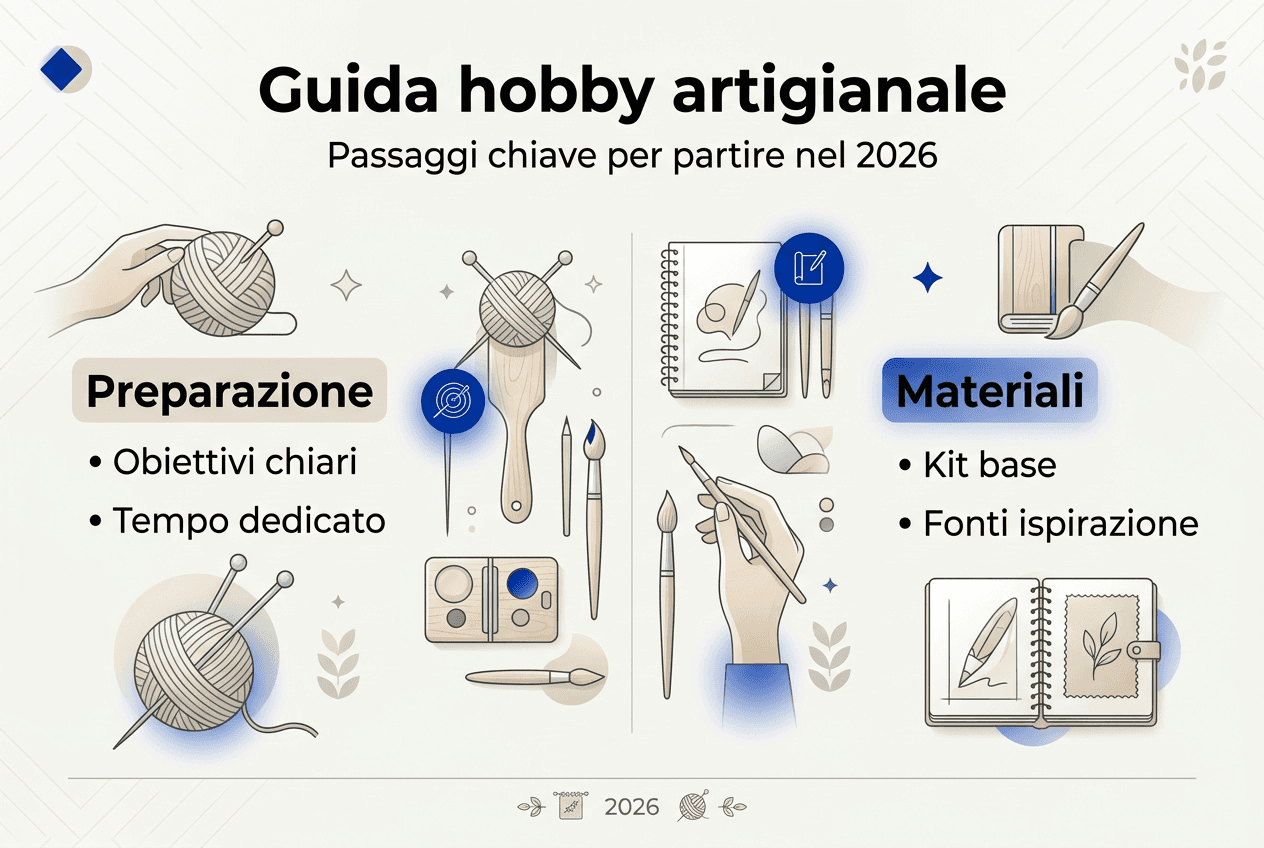
For beginners, choose materials that balance quality and affordability. Avoid expensive professional products until you have developed basic skills. For example, for pottery, start with polymer clay instead of a wheel and professional kiln. For weaving, try inexpensive table looms before investing in complex equipment.
The popularity of DIY hobbies has increased significantly in Italy, particularly among families, driven by the desire for creative expression, stress reduction, and the potential for supplementary income. This trend has made it easier to find specialized materials even in local stores, not just online.
Find inspiration through social channels dedicated to crafting. Instagram, Pinterest, and TikTok host thousands of accounts that share projects, techniques, and practical tips. Follow specialized Instagram accounts to discover emerging trends and connect with other artisans.
Local workshops and craft fairs offer unique advantages for inspiration. Touching materials, observing techniques live, and conversing with experienced artisans accelerates your learning. Participating in creative events in your city also creates valuable networking opportunities for the future.
This table compares some popular craft hobbies in 2026:
| Craft Type | Popularity | Initial Cost | Skill Level |
|---|---|---|---|
| Tufting | Very High | 150-300 euros | Beginner |
| Pottery | High | 80-200 euros | Intermediate |
| Macramé | Medium | 30-80 euros | Beginner |
| Woodworking | Medium | 200-500 euros | Advanced |
Consider these factors when choosing materials:
- Local availability to avoid long shipping waits
- Ease of storage and durability
- Compatibility with available space at home
- Safety of use, especially if involving children
- Versatility for creating different types of projects
Practical execution: starting to create and setting up your workshop
Organizing a dedicated workspace transforms your hobby from an occasional activity into a regular practice. You don't need an entire room: a well-lit corner with a sturdy table and sufficient shelving works perfectly. The important thing is that the space is accessible and invites you to create without constantly setting up and taking down.
Follow these steps to set up your home workshop:
- Choose an area with abundant natural light or install white cool LED lamps for precision in details
- Organize materials in transparent labeled containers to quickly find what you need
- Create functional zones: main work area, drying or storage space, tool corner
- Install floor and wall protectors if working with paints, glues, or staining materials
- Prepare adequate ventilation if using substances with strong odors or fumes
- Keep a notebook or app to document projects, color recipes, and experimental techniques
When you start creating your first pieces, focus on simple projects that teach fundamental techniques. Successfully completing basic creations builds confidence and competence before tackling complex works. Follow step-by-step tutorials and don't get discouraged if the first results aren't perfect.
Manual work offers benefits for mental health, stimulating creativity and reducing stress. This connection between hands and brain explains why many people find craft hobbies so rewarding and therapeutic.
“Manual activities activate brain areas associated with problem-solving and fine motor coordination, producing calming effects similar to meditation while creating something tangible and personal.”
Pro Tip: Establish a regular creative routine, even if it's just 30 minutes three times a week. Consistency develops skills faster than long, sporadic sessions. Consider your creative time a fixed appointment in your calendar.
For those who want to deepen specific techniques, structured craft courses accelerate learning by providing direct feedback from experts. Investing in quality training prevents bad technical habits that are difficult to correct later.
Keep your space organized with these practices:
- Clean tools immediately after use to prolong their lifespan
- Dedicate 10 minutes at the end of each session to tidy up
- Take monthly inventory of materials to plan purchases
- Photograph completed projects to track progress over time
Evaluating and valuing your craft hobby
After creating your first pieces, critically evaluate the quality and your personal satisfaction. Ask for honest feedback from family and friends, but also develop a critical eye to identify areas for improvement. Compare your creations with the work of experienced artisans to understand technical gaps to fill.
Transforming a passion into an additional source of income is a key motivation for starting a craft hobby. If you decide to sell, start with small batches to test the market without over-burdening production and order management. Collect feedback from early customers to refine products and service.
There are various methods for selling crafts online and offline. Each channel has specific advantages and disadvantages to consider based on your product type and target audience.
This table compares the main sales channels:
| Channel | Advantages | Disadvantages |
|---|---|---|
| Etsy/marketplace | Broad audience, easy to start | High commissions, much competition |
| Instagram/social | Direct customer contact, no commissions | Requires constant presence, independent logistics |
| Local markets | Immediate feedback, no shipping | Geographically limited, stand costs |
| Own website | Total control, better margins | Initial investment, traffic to build |
Correct pricing balances material costs, time invested, and perceived value. Calculate your desired hourly rate multiplied by hours worked, add materials and overheads, then compare with similar market prices. Do not undervalue your work for fear of not selling.
Professional packaging significantly increases perceived value. Invest in packaging materials that protect the product and create a memorable unboxing experience. Include personalized thank-you notes and product care instructions.
Advice for maintaining a healthy balance:
- Don't turn every hobby into a business if you prefer to keep it purely creative pleasure
- Establish clear boundaries between personal creative time and production for sale
- Celebrate small and large successes to maintain high motivation
- Continue experimenting with new techniques even when selling established products
- Connect with artisan communities for ongoing support and inspiration
Discover creative experiences and workshops with Club Joy
If you wish to accelerate your craft journey through guided practical experiences, Club Joy offers creative workshops perfect for every level. Participating in an expressive drawing workshop allows you to explore new techniques under the guidance of professional artists, receiving immediate feedback that quickly refines your skills.
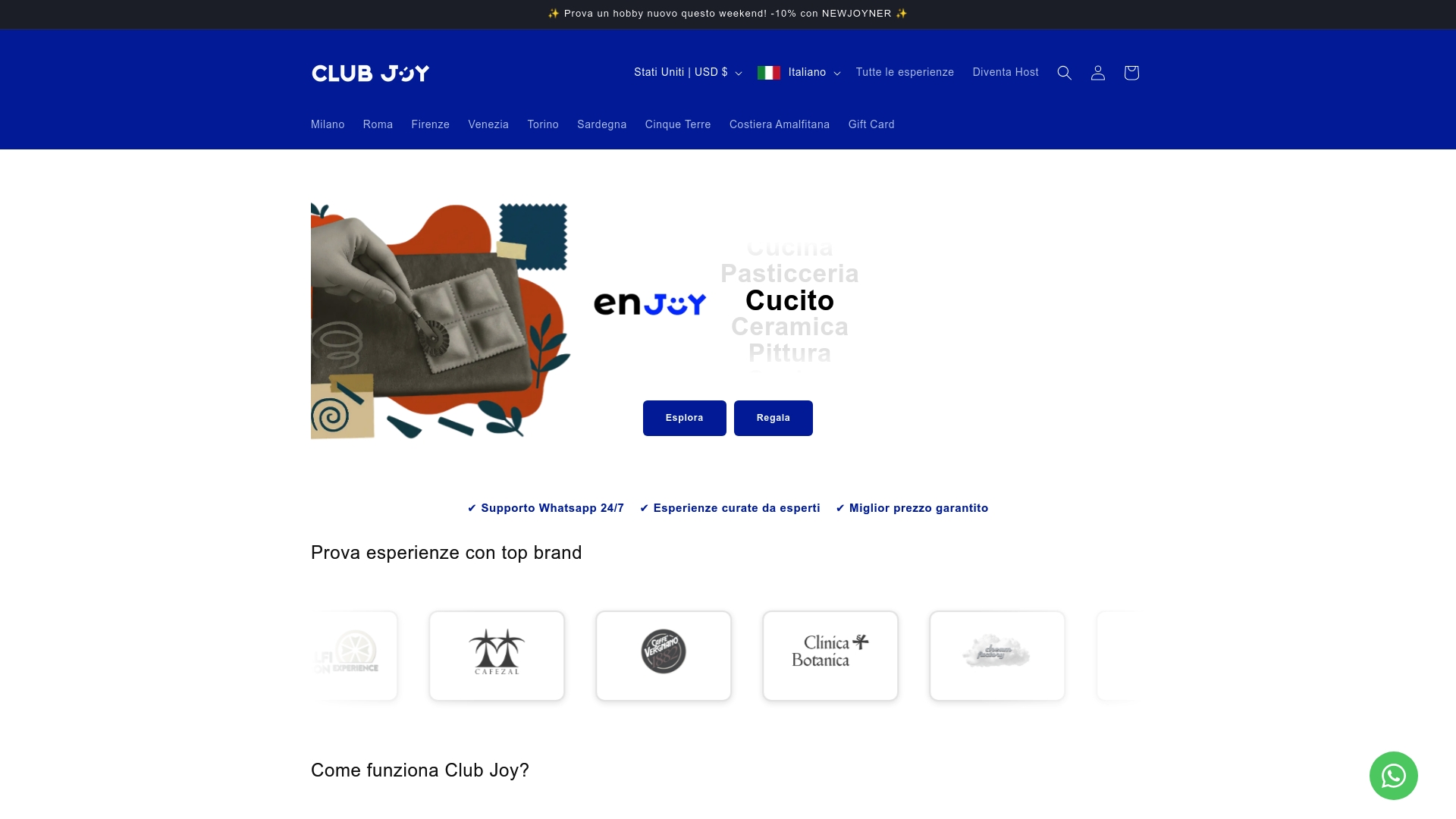
Guided artistic experiences available in various Italian cities cover diverse disciplines from pottery to painting, from woodworking to weaving. These workshops not only teach specific techniques but also create networking opportunities with other enthusiasts who share your creative passion.
Also discover the fascinating art of fresco, a traditional Italian technique that few have the opportunity to experience. These specialized workshops immerse you in historical craft practices, connecting tradition and contemporary creativity in a unique and memorable way.
How to start a craft hobby: frequently asked questions
How do I know if a craft hobby is right for me?
Experiment with different types of crafts through introductory workshops or beginner kits before committing heavily. Observe which activities naturally excite you and which make you lose track of time. A suitable hobby should relax and motivate you, not stress or bore you after a few sessions.
Do I need to register for a VAT number immediately?
No, if your hobby remains purely personal with no sales. However, Italian law requires a VAT number for any regular sale of craft products, regardless of the amount. Consult a commercialista before selling your first creation to understand the specific obligations for your situation.
What are inexpensive materials to start with?
Macramé only requires cotton ropes and basic supports for a total of 30-50 euros. Polymer clay for small sculptures costs 15-25 euros for a complete kit. Beginner watercolors start from 20-30 euros with paper included. These hobbies allow for satisfying creations without prohibitive initial investments.
Can I legally sell handmade products?
Yes, but you must comply with Italian tax regulations by opening a VAT number and potentially registering with INPS. Some products like cosmetics or children's toys require additional safety certifications. Always check specific requirements for your product category before marketing.
Where can I find local workshops or courses?
Search on dedicated platforms like Club Joy, which aggregates creative experiences in various Italian cities. Also check municipal cultural centers, art supply stores, and social media pages of local artisans. Many professionals offer private or group lessons in their studios.
How long does it take to become good?
Basic skills in many crafts develop in 20-40 hours of dedicated practice, about 2-3 months with regular sessions. Reaching an intermediate level requires 100-200 hours spread over 6-12 months. True mastery comes after years of constant practice, but satisfactory results emerge much sooner if you practice with intention and seek constructive feedback.