
Artisan Community 2026: +15% Experiences & Benefits
Do you think the craft community is only for expert artisans? You're wrong. Over 60% of workshop participants are beginners or amateurs, people who want to discover new passions through practical experiences and socialization. This guide reveals what it really means to participate in the craft community in Italy, the concrete benefits you gain, and how to choose the perfect experience for you.
Table of Contents
- Key Points about the Craft Community
- Introduction to the Craft Community
- Types of Experiences in the Craft Community
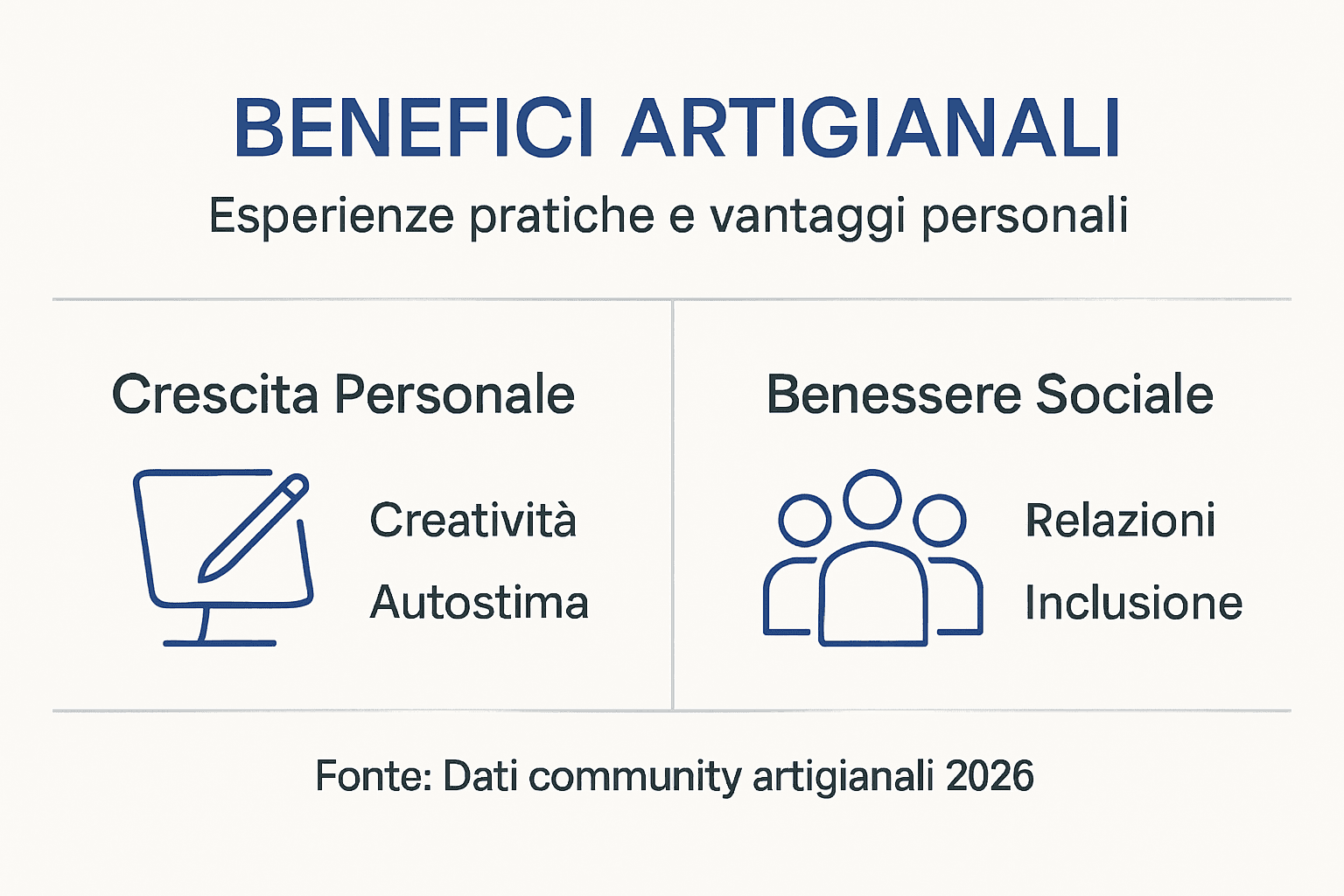
- Benefits of Participating in the Craft Community
- Main Regions and Traditional Crafts in Italy
- How to Participate and Choose a Craft Community Experience
- Misconceptions about the Craft Community: Myths and Realities
- Conclusions and Invitation to Practical Experience
- Discover and Participate in Craft Workshops with Club Joy
- Frequently Asked Questions about the Craft Community
Key Points about the Craft Community
| Point | Details |
|---|---|
| Inclusive Nature | The craft community welcomes beginners and enthusiasts of all levels, with a focus on creative socialization. |
| Available Types | Ceramics, painting, restoration, carving, and printing workshops across more than 100 Italian locations. |
| Documented Benefits | Improvement of manual skills, increased psychological well-being, and preservation of cultural traditions. |
| Areas of Excellence | Tuscany, Veneto, Emilia-Romagna, and Lombardy lead with globally recognized artisanal specialties. |
| How to Participate | Choose experiences suitable for your level, book on dedicated platforms, and begin your creative journey. |
Introduction to the Craft Community
The craft community is a social phenomenon that emphasizes socialization through shared manual activities. It's not just about producing artistic objects. It's a cultural ecosystem where craftsmanship, tradition, and human connection merge to create transformative experiences.
Over the last ten years, Italy has seen significant growth in this movement. Cities like Milan, Florence, Venice, and Bologna host dedicated spaces where enthusiasts gather to learn ancient craft techniques. This phenomenon responds to the contemporary need to slow down, create with one's hands, and reconnect with cultural roots.
The difference between traditional craftsmanship and the craft community is fundamental. The former focuses on professional production and the family transmission of the trade. The latter embraces an inclusive approach where anyone can experiment, learn, and socialize through the urban craftsmanship now widespread in Italian cities.
The pillars of the Italian craft community include:
- Shared Manual Skills: Learning by doing with others creates authentic connections and develops practical skills.
- Cultural Preservation: Traditional techniques are passed down to new generations in informal and welcoming settings.
- Creative Socialization: Craft spaces become meeting places where friendships and collaborations are born.
- Educational Accessibility: Short workshops allow everyone to experiment without long-term commitments.
Italian cities with a strong presence of craft communities offer rich event calendars. Florence excels in leather goods and goldsmithing workshops. Venice offers unique artistic glass experiences. Milan stands out for contemporary textiles and design. These realities demonstrate how artisanal tradition is renewed through collective participation, as highlighted in the Social craftsmanship study that analyzes the phenomenon.
Pro Tip: Start with a basic workshop in your city to understand which technique you're passionate about before investing in advanced courses or expensive equipment.
Types of Experiences in the Craft Community
The range of craft workshops in Italy spans from a few hours of activity to structured training courses. This variety allows every enthusiast to find an experience suitable for their time and skill level.
The most popular workshops include:
- Ceramics and Terracotta: From basic modeling to advanced decoration, with traditional Tuscan and Emilian techniques.
- Artistic Painting: Watercolor, oil, and fresco following Renaissance and contemporary methods.
- Restoration and Conservation: Learning techniques for restoring furniture, textiles, and artworks.
- Wood Carving: Sculpting and decorating with traditional hand tools.
- Artisan Printing: Serigraphy, chalcography, and letterpress with historic presses.
Over 100 recognized craft workshops are distributed across various Italian regions, with formats for groups, families, and individuals. Formats vary in duration, complexity, and educational objectives.
| Workshop Type | Typical Duration | Level | Main Purpose |
|---|---|---|---|
| Introductory | 2-3 hours | Beginner | Discovery and first contact with the technique |
| Basic | Half day | Beginner-Intermediate | Learning fundamentals and creating a piece |
| Advanced | Full day | Intermediate-Expert | Technique refinement and complex project |
| Course | 4-8 sessions | All levels | Progressive skill development |
The educational impact of practical experiences surpasses that of theoretical training. Working with one's hands activates brain areas related to creativity and problem-solving. The social dimension amplifies these benefits, creating exchange spaces where everyone learns from others' experiences.
Craft courses to develop creativity also offer team-building opportunities for companies. Many organizations choose craft workshops to strengthen collaboration among colleagues in informal and stimulating environments.
Pro Tip: Always check what the workshop includes (materials, tools, assistance) and if you can take your creations home. This significantly affects the value of the experience.
Families find engaging activities for different generations in craft workshops. Ceramics or painting workshops become opportunities to create shared memories and transmit values of patience and manual care, as documented in the analysis of Italian regions and crafts.
Benefits of Participating in the Craft Community
Participating in craft workshops produces measurable effects on personal well-being and social cohesion. The advantages emerge both in the short term, during the experience itself, and through continuous practice.
Immediate personal benefits include:
- Development of Manual Skills: Each session improves coordination, precision, and confidence in using specific tools.
- Stress Reduction: Focusing on creative activities lowers cortisol levels and promotes meditative states.
- Creative Expression: Giving concrete form to one's ideas increases self-esteem and a sense of accomplishment.
- Active Learning: Direct practice consolidates knowledge much more than theory alone.
The collective dimension amplifies these advantages. Working together creates authentic bonds based on shared interests. The role of creativity in leisure time is fully manifested in these contexts where socialization and manual skills naturally intertwine.
The cultural impact of the craft community extends beyond individual participants. Preserving traditional techniques through accessible workshops ensures the continuity of Italian cultural heritage. Younger generations discover ancient trades and help keep them alive in the contemporary social fabric.
Craft tourism in Italy grows by 15% annually due to the cultural and social value of craft workshops, as highlighted in the analysis of craft tourism.
This data reflects a broader trend towards experiential tourism. Travelers seek authenticity and connection with local traditions, preferring practical workshops to passive visits. Small Italian villages benefit economically from this interest, creating opportunities for local artisans and revitalizing communities.
Long-term benefits of continuous participation include:
- Solid Social Network: Regularly attending workshops creates lasting friendships with people who share similar passions.
- Specialized Skills: Constant practice transforms beginners into capable artisans, also opening up professional possibilities.
- Cultural Identity: Immersing oneself in local traditions strengthens a sense of belonging to the territory.
- Sustained Psychological Well-being: Regular creative activity protects against anxiety and depression according to psychological studies.
The craft community therefore represents an investment in the quality of life. It's not just about hobbies, but about building skills, relationships, and connection with one's cultural heritage.
Main Regions and Traditional Crafts in Italy
Italy boasts a rich and diverse artisanal geography. Each region preserves unique specialties that reflect centuries of local history and tradition. Knowing these regions helps in choosing authentic and quality experiences.
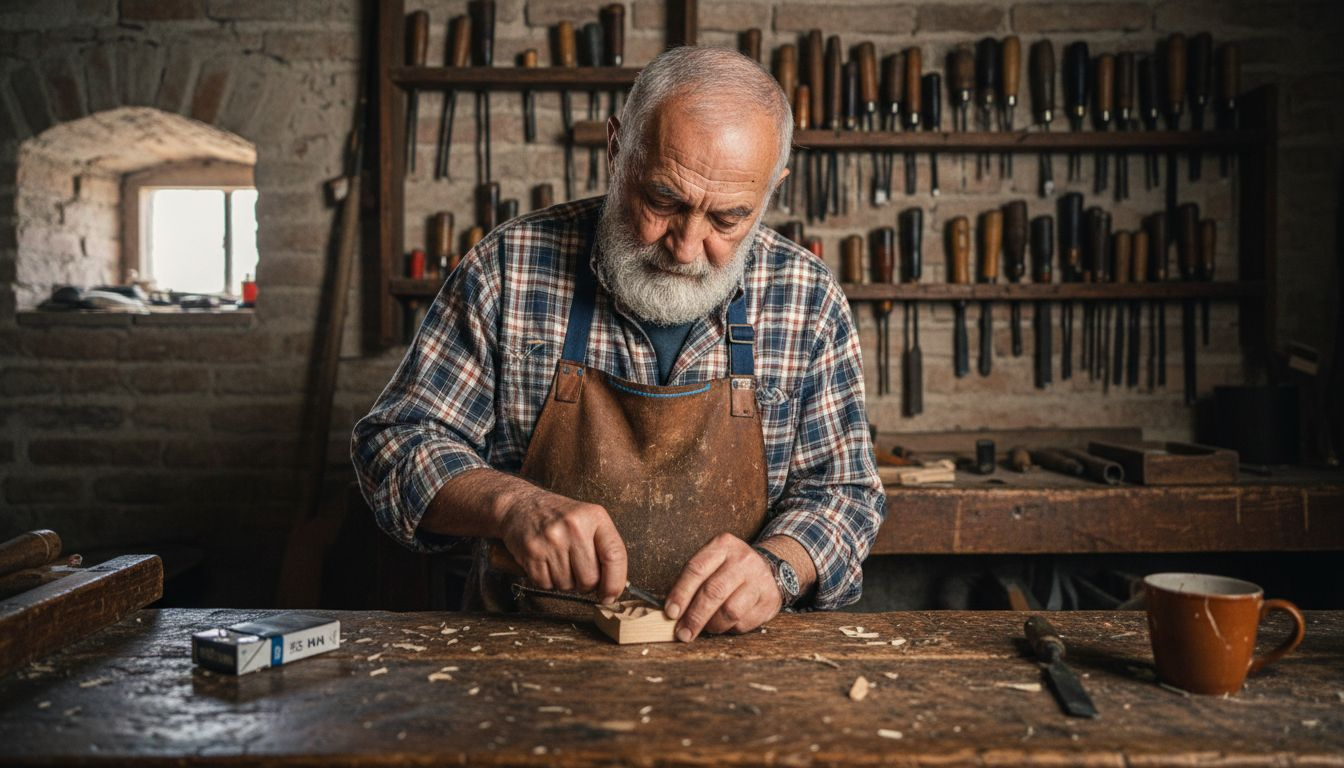
Tuscany excels in terracotta and artistic ceramics. Impruneta and Montelupo Fiorentino are historic centers where artisans still pass down Renaissance techniques. Tuscan workshops offer experiences ranging from basic modeling to decoration with traditional majolica.
Veneto is distinguished by Murano artistic glass. Venetian furnaces have been producing unique works for over a thousand years. Workshops allow visitors to observe master glassmakers at work and experiment with molten glass modeling techniques under expert supervision.
Emilia-Romagna is famous for Faenza ceramics, which gave its name to French faience. The Emilian ceramic tradition combines functionality and aesthetic beauty. Workshops in the region teach both traditional decorative techniques and contemporary approaches.
Lombardy excels in Como silk processing and artisanal textile production. For centuries, Como has represented world-class excellence in silk printing and weaving. Textile experiences allow discovery of complex processes and creation of personalized accessories.
| Region | Main Craft | Key Centers | Typical Workshops |
|---|---|---|---|
| Tuscany | Terracotta and ceramics | Impruneta, Montelupo | Modeling, majolica decoration |
| Veneto | Artistic glass | Murano, Venice | Glass blowing, beads |
| Emilia-Romagna | Traditional ceramics | Faenza, Modena | Decoration, potter's wheel |
| Lombardy | Silk and textiles | Como, Milan | Silk printing, weaving |
These regions concentrate most of the recognized craft workshops in Italy, representing prime destinations for enthusiasts and cultural tourists. Other regions like Campania (Vietri ceramics), Umbria (Deruta ceramics), and Marche (artisanal footwear) offer further excellences.
The territorial impact of the craft community is manifested in the economic revitalization of inland areas. Historic villages attract visitors thanks to authentic workshops, generating local wealth and motivating young artisans to stay in their home territories instead of migrating to large cities.
Discovering painting workshops in Italy also means understanding how each territory has developed distinctive artistic schools. From Florence to Rome, from Siena to Naples, Italian painting tradition intertwines with artisanal tradition in complete training experiences.
Pro Tip: Plan visits to different regions to compare techniques and styles. Each territory offers unique approaches that enrich your understanding of Italian craftsmanship.
How to Participate and Choose a Craft Community Experience
Choosing the right workshop can seem complex given the wide range of options available. Following a structured method simplifies the decision and maximizes satisfaction with the experience.
- Identify Your Starting Level: Honestly assess whether you are an absolute beginner, have already experimented, or possess intermediate skills in the technique that interests you.
- Define Your Goals: Do you just want to try a new activity, learn solid fundamentals, or refine existing skills?
- Consider Time and Commitment: Introductory workshops require a few hours, while structured courses need regular participation for weeks.
- Evaluate the Social Dimension: Do you prefer small, intimate groups or larger classes with more networking opportunities?
- Check Materials and Tools: See what the organizer provides and what you need to bring personally.
- Read Authentic Reviews: Experiences from other participants reveal the quality of teaching and the workshop atmosphere.
- Book in Advance: Popular workshops fill up quickly, especially on weekends and during tourist periods.
Dedicated platforms like Club Joy facilitate search and booking. Filters for city, activity type, level, and duration allow quick finding of relevant options. Detailed descriptions include information about instructors, provided materials, and the pieces you will create.
Over 60% of participants in craft experiences are beginners or amateurs, so don't be afraid to start without experience. Expert instructors know how to guide even those who have never touched clay, brushes, or carving tools.
Common mistakes to avoid when choosing:
- Overestimating one's abilities: Choosing advanced workshops as a beginner generates frustration instead of satisfaction.
- Underestimating physical exertion: Some activities require manual strength and endurance that develop gradually.
- Ignoring the location: Hard-to-reach workshops reduce the likelihood of consistent participation.
- Neglecting schedule compatibility: Weekday evening or weekend morning workshops attract different audiences.
After your first experience, evaluate whether to continue with the same craft or explore other techniques. Many enthusiasts discover unexpected passions by trying different activities. Others prefer to progressively specialize in a single area.
Pro Tip: Participate in at least three sessions of the same activity before deciding if you're truly passionate about it. The first experience is for familiarization, the second for consolidation, and the third reveals your true interest.
Discovering local creative hobbies in your city creates sustainable routines. Attending nearby workshops facilitates regular participation, which is fundamental for developing skills and building relationships in the craft community, as highlighted in the Social craftsmanship study.
Misconceptions about the Craft Community: Myths and Realities
Several preconceptions limit access to the craft community. Dispelling these myths opens up opportunities for those who could benefit most.
Myth: The craft community is only for expert artisans with years of professional training.
Reality: The community is inclusive and open to amateurs, with over 60% of participants being non-experts. Craft spaces welcome the curious and beginners, offering patient support and gradual progression.
Myth: The main goal is to produce works of art with commercial value or high aesthetic appeal.
Reality: The central aim is socialization through shared manual activities. Creating beautiful objects is a welcome outcome, but secondary to the collective learning experience and human connection.
Myth: Events are exclusive, expensive, and inaccessible to the general public.
Reality: Introductory workshops typically cost between 30 and 80 euros, including materials and expert guidance. Many municipal and associative initiatives offer free or symbolic-priced workshops to promote social inclusion.
Myth: Participation offers no concrete benefits to mental health or personal well-being.
Reality: Studies document stress reduction, improved self-esteem, and combating social isolation through collective creative activities. The psychological benefits are measurable and long-lasting.
Myth: The artisan community is a nostalgic phenomenon with no relevance for the contemporary world.
Reality: The movement responds to current needs for authenticity, slowing down, and material connection in a digital age. Younger generations actively seek tangible experiences that balance virtual life.
Myth: Traditional techniques are obsolete and lack modern practical application.
Reality: Craft skills develop design thinking, creative problem-solving, and valuable manual dexterity in contemporary professional contexts, from design to architectural restoration.
Understanding the true nature of the artisan community removes psychological barriers to entry. No innate talents or significant initial investments are needed. All that's required is curiosity and a willingness to learn by doing, surrounded by people who share the same exploratory spirit, as clarified in the Social Craftsmanship study.
Conclusions and Invitation to Practical Experience
The Italian artisan community offers a concrete path to personal development through manual skills, socialization, and cultural connection. The documented benefits range from improving practical skills to strengthening psychological well-being, from preserving local traditions to expanding one's social network.
Participating in even a single workshop can trigger significant transformations. You will discover unexpected passions, develop new skills, and build authentic relationships with people who share your creative interests.
Resources to get started are easily accessible:
- Dedicated platforms like Club Joy aggregate verified offers across Italy
- Every city hosts artisan spaces with public calendars of workshops and events
- Cultural associations and municipalities organize free or low-cost initiatives
- Social media and online communities facilitate contact with local artisans and enthusiasts
Don't postpone the experience waiting for the perfect moment or ideal conditions. The artisan community welcomes everyone exactly as they are, beginners included. Every master artisan was once a novice who dared to try.
Continuity amplifies results. Regular participation consolidates skills, deepens relationships, and transforms an occasional interest into a true passion. Many enthusiasts recount how an introductory workshop became a turning point in their personal and social lives.
Discover local creative hobbies in your city and evaluate which techniques attract you most. Consider the benefits of ceramics workshops or explore the different types of craft courses available to find your ideal creative direction.
The first step is always the most important. Book your first artisan experience today and begin the journey toward a more creative, social, and meaningful life.
Discover and Participate in Artisan Workshops with Club Joy
If you wish to immerse yourself in the Italian artisan community, Club Joy is the platform that connects you to selected experiences throughout Italy. Find workshops in ceramics, painting, carving, and many other creative disciplines, all guided by expert and passionate artisans.
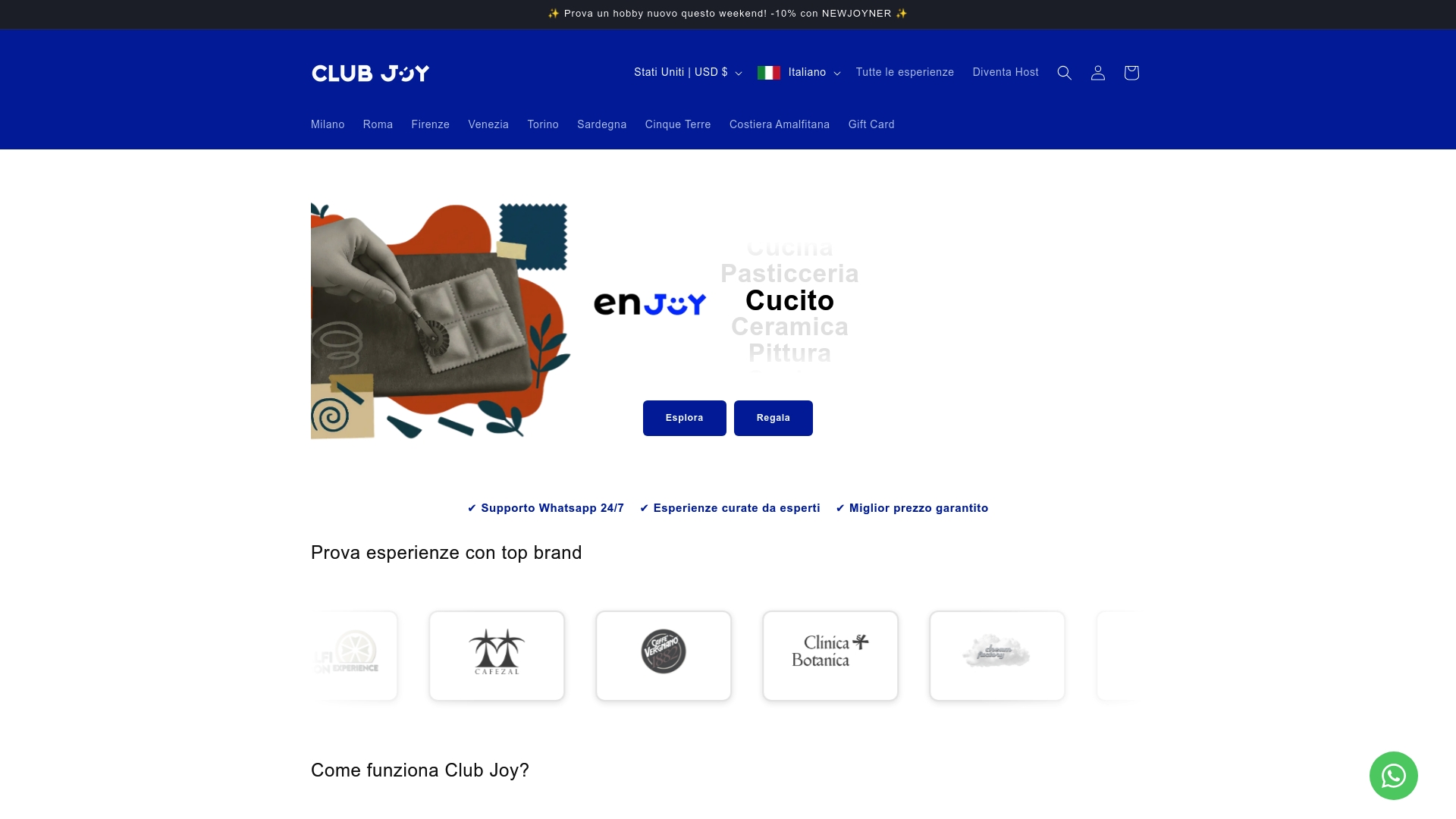
The variety of available workshops guarantees options for every experience level and interest. Beginners find gentle and supportive introductions, while intermediate enthusiasts can delve into specific techniques. The inclusive approach reflects the values of the artisan community: accessibility, socialization, and personal growth through manual creativity.
Book your first experience today to discover local creative hobbies with Club Joy, participate in ceramics workshops, or explore craft courses to develop creativity. Your passion awaits.
Frequently Asked Questions about the Artisan Community
Who can participate in an artisan community workshop?
Anyone interested can participate, regardless of age or prior experience. Over 60% of participants are beginners who are approaching craftsmanship for the first time. Workshops are designed to accommodate all levels, with instructors adapting their teaching to individual abilities.
What skills are needed to get started?
No particular skills are needed to get started. Curiosity and a willingness to learn are sufficient. Instructors guide participants step-by-step, teaching everything from the correct use of tools to basic techniques. Skills develop gradually through repeated practice.
How do you choose the best workshops in Italy?
Evaluate your starting level and personal goals. Check reviews from other participants, verify included materials and location accessibility. Platforms like Club Joy offer filters for city, activity type, and difficulty level, simplifying the search for suitable experiences.
How long does a community artisan experience typically last?
Durations vary from introductory workshops of 2-3 hours to structured courses lasting several weeks. Basic workshops take half a day or a full day. Choose based on the time you can dedicate and the desired learning intensity.
What benefits are gained by participating regularly?
Regular participation develops solid artisan skills, reduces stress and anxiety, and expands one's social network with authentic friendships. Studies document measurable improvements in psychological well-being and self-esteem. Continuous practice transforms occasional hobbies into lasting passions that enrich the quality of life.
Recommendation
- Artist-led Experiences 15 min from Aethos Milan – Club Joy
- Artist-led Experiences just 15 min from Aparthotel Dei Mercanti – Club Joy
- How to discover local creative hobbies and participate in workshops – Club Joy
- 6 types of craft courses to develop creativity – Club Joy
- Experiences | RMD Photo Booths
- Italy Photo Tours | MINO DI VITA | learn more