
What is an art studio and how does it stimulate creativity
Many confuse an art studio with a simple painting workshop. In reality, an art studio is a space dedicated to practical learning guided by professional artists, where creativity develops through established techniques and continuous experimentation. You will discover what makes an art studio unique, how to choose the right one for you, and the real benefits for your artistic growth. You will understand the key differences, the roles of mentors, the types available in Italy, and practical tips to get started.
Table of Contents
- Introduction to the concept of an art studio
- The artist's role and guidance in the creative process of the art studio
- Types and duration of art studios in Italy
- Practical and educational benefits of participating in art studios
- How to choose and participate in an art studio in Italy
- Common mistakes and myths about art studios
- Discover art studios and creative workshops on Club Joy
- Frequently asked questions about art studios
Key points
| Point | Details |
|---|---|
| Definition and differences | An art studio offers professional guidance and personalization, unlike generic workshops that follow rigid schemes. |
| Role of the artist mentor | The presence of a professional artist increases educational effectiveness and motivation, ensuring superior results. |
| Types and formats | There are painting, ceramics, and sculpture studios with durations ranging from intensive workshops to weekly courses. |
| Concrete benefits | Participation increases creative confidence by 40%, improves problem-solving by 35%, and builds collaborative networks. |
| Informed choice | Evaluate the mentor, specialization, duration, and adopt an open mindset to maximize the learning experience. |
Introduction to the concept of an art studio
An art studio is a training space where a professional artist guides participants in the practical learning of creative techniques. The fundamental difference from a generic workshop lies in the personalization of the path and individual attention. In an art studio, each student works on their own projects, receiving targeted feedback, while standard workshops follow predefined programs that are the same for everyone.
To better understand this distinction, you can use the 3P model: Professional, Practice, Participation. The Professional brings consolidated technical skills and an authentic artistic vision. Practice is immersive and allows direct experimentation with materials and tools. Participation is active, transforming students from passive spectators to conscious creators.
Pro Tip: When you visit a potential art studio, observe if the mentor is actively working on their own projects in the same space. This signals an authentic environment where art is lived daily, not just taught.
Despite growing popularity, 60% of users confuse the term art studio with generic workshops, missing out on deeper learning opportunities. A practical guide to art studios can help you better navigate your choices.
Here's a clear comparison between the two options:
| Characteristic | Art Studio | Generic Workshop |
|---|---|---|
| Guidance | Active professional artist | Generic instructor |
| Approach | Personalized and flexible | Standardized and rigid |
| Typical duration | Variable, from 4 hours to months | Single session 2-3 hours |
| Projects | Individual and customized | Same for everyone |
| Environment | Authentic artist's studio | Equipped classroom |
| Focus | Deep technical development | Recreational experience |
The choice between an art studio and a workshop depends on your goals. If you are looking for serious artistic growth and the development of professional skills, the art studio offers a superior structured path. For an occasional and social experience, a workshop may suffice.
The artist's role and guidance in the creative process of the art studio
The presence of a professional artist mentor represents the true added value of an art studio. This professional does not just teach techniques but shapes the creative process through their daily example. Observing an artist solve compositional problems or manage technical unforeseen events offers learnings that are impossible to transmit theoretically.
Personalized guidance dramatically increases educational effectiveness. The mentor identifies specific strengths and areas for improvement for each student, adapting exercises and challenges to the individual level. This approach accelerates the learning curve and prevents the frustration typical of self-taught paths.
In addition to technical aspects, the mentor generates profound motivational effects. Seeing a professional appreciate your progress builds confidence in your creative abilities. This external validation strengthens the emerging artistic identity and supports consistent practice over time.
Pro Tip: Prepare specific questions before each session and ask for immediate feedback during the work, not just at the end. The mentor can correct errors at the outset, preventing them from becoming ingrained bad habits.
The quality of the mentor directly influences the results, as over 80% of final satisfaction is related to the quality of the mentor and consistency of the teaching format. To maximize this formative relationship, adopt a proactive attitude and do not be afraid to show imperfect work.
To expand your creative learning opportunities, you can discover local creative hobbies that integrate the art studio experience with other artistic practices. The variety of approaches enriches your expressive language and prevents creative stagnation.
The relationship with the mentor evolves over time. Initially, you receive direct instructions, then the dialogue becomes more equal as you develop critical autonomy. This natural progression signals that the art studio is functioning correctly.
Types and duration of art studios in Italy
Art studios in Italy cover various creative disciplines, each with specific characteristics and materials. The most common options include oil and acrylic painting, ceramics and pottery, clay or wood sculpture, life drawing, engraving and printing, mosaic, art glass, and experimental mixed media techniques.
Each discipline requires different learning times. Ceramics needs prolonged sessions for drying and firing, while drawing allows rapid progress even in short formats. Oil painting requires weeks to complete layered works, while watercolor can give immediate satisfaction.
Available formats vary in intensity and commitment required. Intensive weekend workshops offer total immersion in 12-16 concentrated hours. Weekly courses spread learning over 2-3 months with 3-hour sessions. Single sessions of 4-6 hours allow you to test a technique before committing long-term.
| Format | Typical Duration | Frequency | Ideal for |
|---|---|---|---|
| Intensive Workshop | 2-3 days | Single event | Experimenting with new techniques |
| Weekly Course | 8-12 weeks | Once/week | Progressive development |
| Single Session | 4-6 hours | Single event | Curious beginners |
| Annual Program | 9-12 months | Weekly | Emerging professionals |
| Thematic Masterclass | 1 day | Occasional | Refining specific skills |
Flexibility is a key advantage. Many studios offer evening hours for workers or weekend sessions for families. Some mentors create hybrid paths combining in-person lessons with online follow-ups.
To explore the wide range of training possibilities, consult articles on artisanal hobbies in Italy that show current trends and preferences. This overview helps you position your choice within the broader context of Italian creative practices.
Choose based on your current level and available time. Absolute beginners benefit from structured weekly courses, while artists with prior experience can opt for specialized masterclasses or intensive workshops on advanced techniques.
Practical and educational benefits of participating in art studios
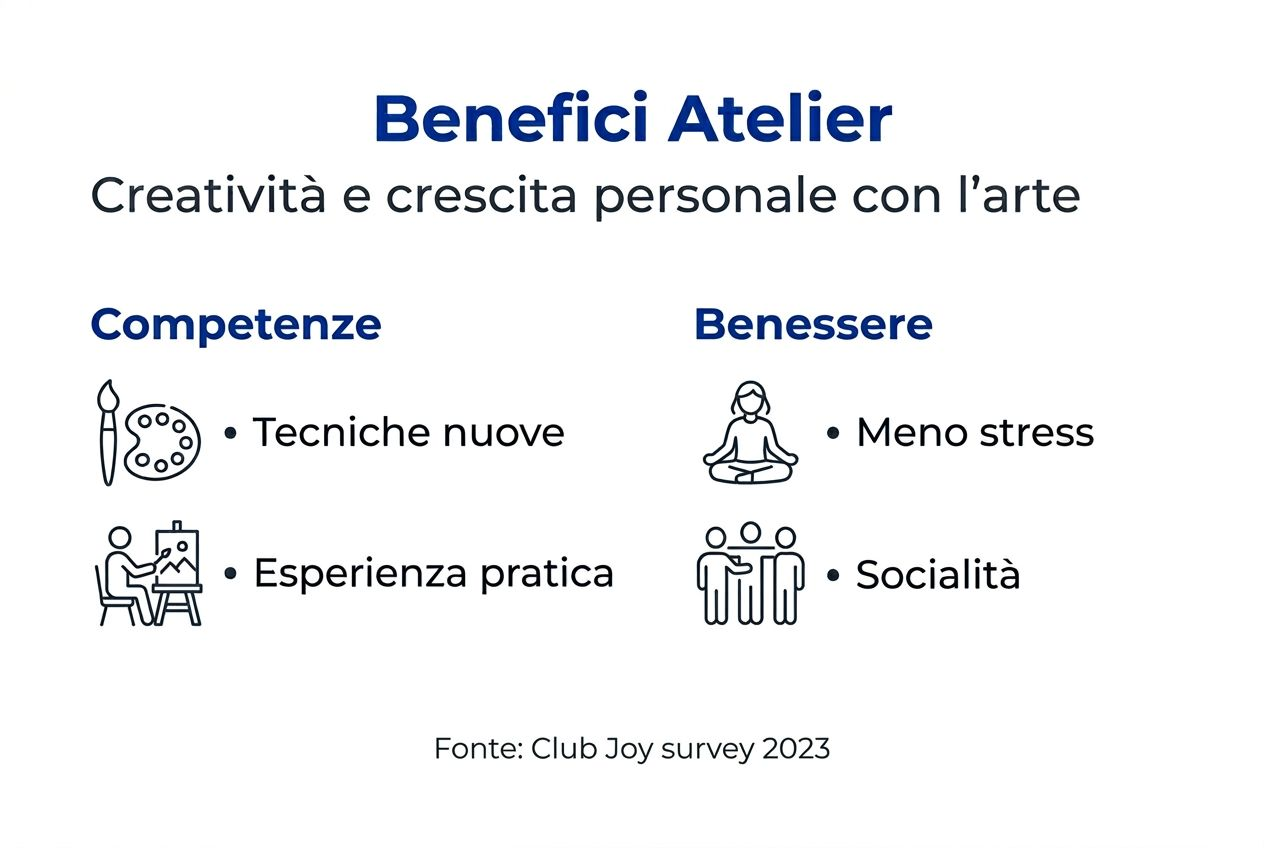
Regular participation in an art studio generates measurable advantages for personal growth and technical skills. Participating in an art studio can increase creative confidence by 40% and improve problem-solving by 35%, results that extend beyond the artistic sphere, influencing professional life and relationships.
The development of technical skills is the most obvious benefit. You learn to control difficult materials, plan complex projects, and solve compositional problems with increasing autonomy. These skills are easily transferable to other creative and professional fields.
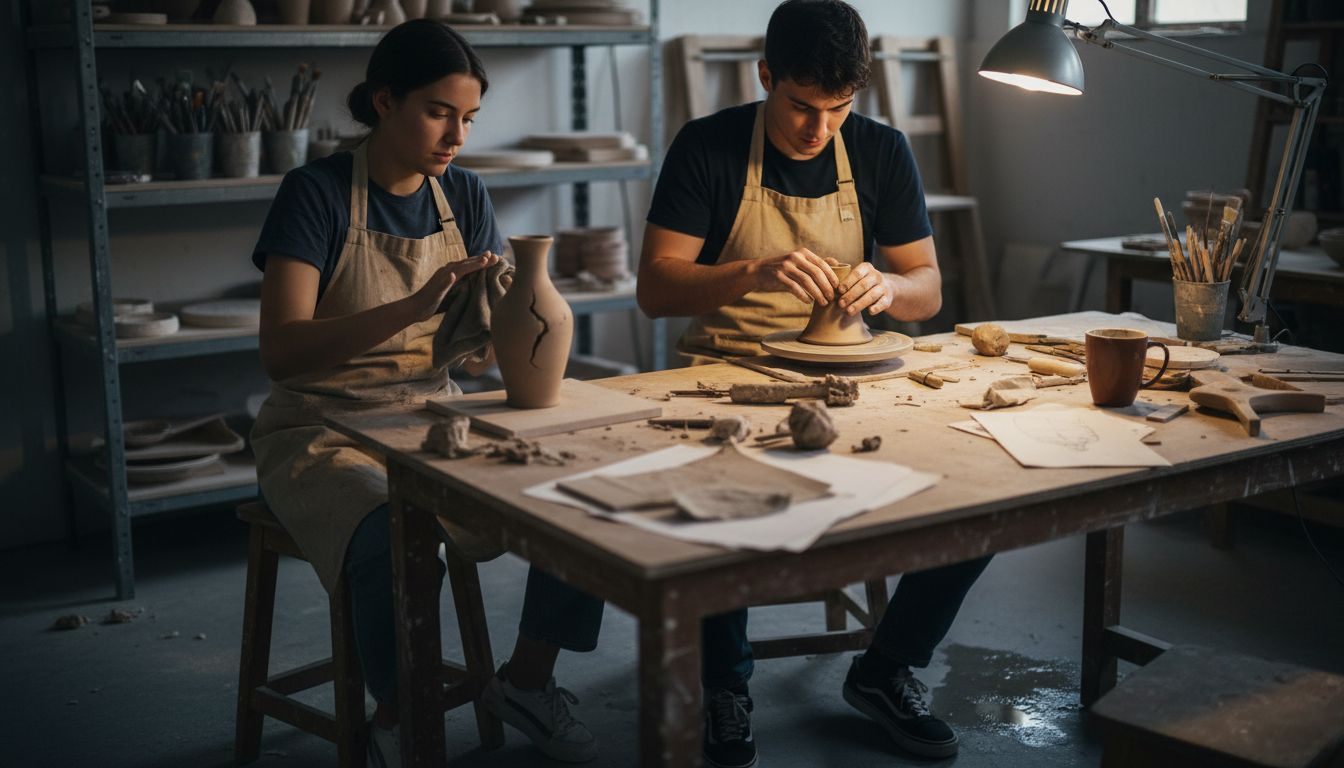
The social aspect further enriches the experience. Art studios create communities of practice where you share challenges and successes with people who understand your journey. These collaborative networks generate opportunities for collective exhibitions, material exchanges, and lasting motivational support.
The benefits for psychological well-being are extensively documented. Regular artistic practice reduces stress and anxiety, improves concentration, and promotes states of flow where you lose track of time. This therapeutic effect makes the art studio an investment in mental health as well as education.
Safe experimentation represents another crucial advantage. In an art studio, you can try risky or expensive techniques without the anxiety of solitary failure. The mentor guides you through mistakes, transforming them into learning opportunities, creating an environment where daring becomes natural.
To better understand the evolution of these training spaces, explore the history and benefits of painting workshops which shows how Italian tradition has always valued guided practical learning.
Concrete testimonials show profound transformations. Participants who were initially insecure develop professional portfolios in 12-18 months. Others discover hidden artistic vocations that become profitable side activities. The art studio acts as a catalyst that accelerates paths that would otherwise take decades.
How to choose and participate in an art studio in Italy
Following a structured process ensures you find the art studio that best suits your specific needs. Here are the fundamental steps for an informed choice and effective participation:
- Identify your specific creative goals and the realistically available time for consistent practice.
- Research art studios in your area by consulting specialized platforms, social media, and word-of-mouth among enthusiasts.
- Evaluate the mentor's background by checking their personal portfolio, exhibitions held, and testimonials from former students.
- Visit the physical space before enrolling to observe the atmosphere, equipment, and group dynamics.
- Request a trial lesson to test compatibility with the teaching method and the mentor's personality.
- Prepare mentally by accepting that progress takes time and that mistakes are an essential part of the process.
- Participate actively by asking questions, sharing doubts, and practicing regularly even outside guided sessions.
Crucial evaluation criteria include the quality and accessibility of the mentor, the duration and structure of the program, the technical specialization offered, total costs including materials, logistics, and convenience of hours and location. Each criterion deserves attention because it directly influences results and final satisfaction.
Pro Tip: Before the first session, let go of expectations of immediate perfection and embrace the curious beginner's mindset. This open-mindedness allows you to absorb teachings without the filter of ego that blocks many adults in creative learning.
The mental approach determines much of the success, considering that approximately 50% of attendees indicate that an open mindset has improved their creative experience. Cultivate flexibility by accepting feedback even when it challenges your established aesthetic beliefs.
Remember that 80% of satisfaction is linked to the quality of the mentor and the consistency of the teaching format, so invest time in initial research rather than settling for the first available option. A mediocre mentor can demotivate you, an excellent one can transform your creative life.
To broaden your research possibilities, explore how to discover local creative hobbies and consider the 6 types of craft courses for developing creativity that can complement your art studio training. Combining different learning experiences accelerates the development of your personal artistic language.
Additionally, learning about educational programs in Italy can reveal integrated learning opportunities that combine art, culture, and territory in unique pathways.
Common mistakes and myths about art studios
Several misunderstandings prevent people from fully utilizing the opportunities offered by art studios. The first mistake is confusing a true art studio with a simple recreational workshop. This confusion leads to inadequate expectations and avoidable disappointments.
Many believe that art studios are reserved for those who already have established artistic skills. This false belief discourages beginners who could greatly benefit from structured guidance. The reality is that quality art studios welcome all levels, adapting teachings to individual abilities.
Another myth concerns perceived prohibitive costs. Although some elite art studios require significant investment, numerous accessible options exist, especially in associative or community contexts. The educational value amply justifies the expense compared to frustrating self-teaching.
Underestimating mental preparation is a common mistake. Participants arrive expecting immediate results without accepting the gradual process necessary to master complex techniques. This impatience leads to premature abandonment before the real benefits emerge.
Some think that attending an art studio means giving up one's artistic individuality by rigidly following the mentor's style. In reality, competent mentors value the uniqueness of each student, guiding them toward authentic personal expression, not stylistic cloning.
To avoid these mistakes, get accurate information before choosing, maintain realistic expectations about progress times, view the art studio as a long-term educational investment, and embrace the vulnerability necessary to truly learn. Correcting these misunderstandings allows you to experience it with openness and gain maximum benefit.
Discover art studios and creative workshops on Club Joy
After understanding what makes an art studio special, it's time to turn this knowledge into concrete experience. Club Joy offers a curated selection of art studios and creative workshops throughout Italy, allowing you to easily find the perfect opportunity to start or deepen your artistic journey.
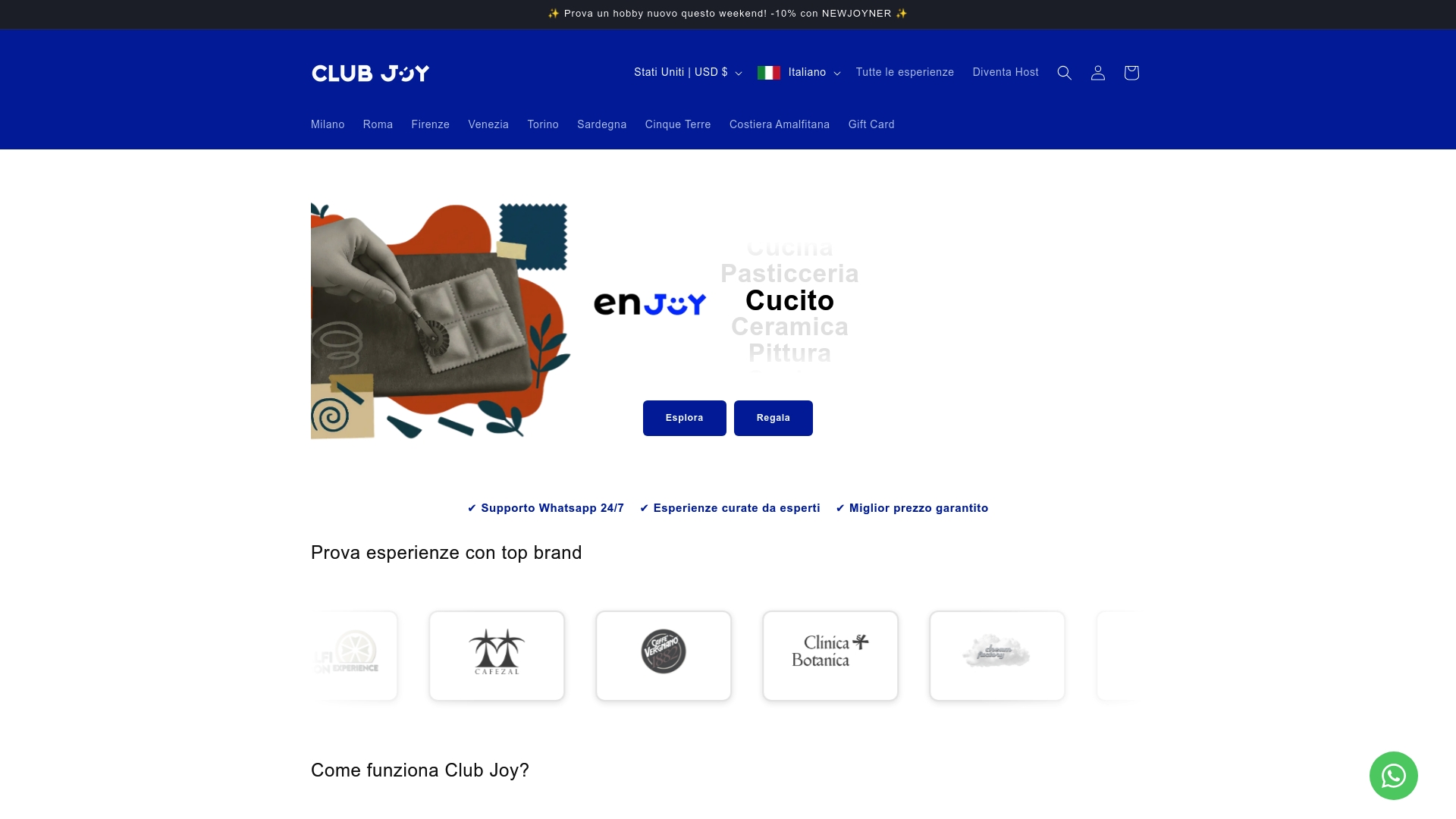
The platform connects you with professional artists who guide practical experiences in ceramics, painting, drawing, and other creative disciplines. Each workshop is designed to ensure effective learning in authentic environments, exactly as described in this guide.
You can discover local creative hobbies in your city or explore artistic destinations during your travels. The wide selection of craft courses to develop creativity covers all levels, from absolute beginners to artists who want to refine their skills.
A particularly popular experience is the expressive drawing workshop that combines technique and creative liberation in an accessible format. Booking is simple and fast, allowing you to immediately start your artistic journey with the assurance of verified experiences and qualified mentors.
Frequently asked questions about art studios
What is an art atelier?
An art atelier is a training space where a professional artist guides participants in the practical learning of specific creative techniques. It differs from generic workshops due to its personalized approach and constant individual attention.
Who can participate in an atelier?
Ateliers welcome people of all levels, from absolute beginners to experienced artists who want to refine their skills. The tutor adapts lessons and projects to individual abilities, ensuring progress for anyone who commits consistently.
How long does a typical atelier experience last?
Duration varies from single sessions of 4-6 hours to weekly courses of 8-12 weeks, up to annual programs for those seeking professional development. Intensive weekend workshops offer concentrated immersion in 12-16 hours spread over 2-3 days.
Is any particular preparation required to participate?
No prior artistic experience is needed for most ateliers. It is sufficient to bring curiosity, an open mind, and a willingness to experiment without fear of making mistakes. Materials and tools are generally provided by the atelier itself.
How do I choose the right atelier for me?
Evaluate the tutor's background and portfolio, physically visit the space, request trial lessons, and check compatibility with your goals and time availability. The quality of the tutor and the coherence of the teaching format determine 80% of the final satisfaction, so invest time in the initial research.
Recommendation
- How to Discover Local Creative Hobbies and Participate in Workshops – Club Joy
- The Role of Creativity in Leisure Time: Benefits and Practical Impacts – Club Joy
- 6 Types of Craft Courses to Develop Creativity – Club Joy
- Origins of Painting Workshops: From Tradition to Creative Experience – Club Joy
- Is AI a Threat to Musician Jobs? - Blog - Music24.com