
Handbook for Artistic Experiences: Practical Guide 2026
Starting an artistic endeavor without adequate preparation can quickly lead to frustration. Many enthusiasts give up after just a few minutes due to a lack of clear instructions, appropriate materials, or an organized space. This practical guide takes you step-by-step through the creation of creative workshops, from preparing materials to the final evaluation of results, ensuring success for personal hobbies, family activities, and corporate events.
Table of Contents
- Key Points
- Introduction to Manual Artistic Experiences
- Prerequisites and Necessary Materials
- Step-by-Step Guide for Common Artistic Experiences
- Common Mistakes and How to Avoid Them
- Safety Precautions
- Practical Applications: Family Activities and Corporate Team Building
- Evaluating Results and Success Metrics
- Artistic Alternatives and Conscious Choice
- Discover Club Joy's Creative Workshops
- Frequently Asked Questions
Key Points
| Point | Details |
|---|---|
| Material preparation | Organize a clean, well-lit space and gather all necessary tools before starting |
| Structured guide | Follow detailed step-by-step instructions to avoid common mistakes and complete successfully |
| Safety first | Apply precautions for chemical materials, ventilation, and personal protective equipment |
| Activity customization | Adapt techniques and projects based on participants' age and group objectives |
| Results evaluation | Collect structured feedback and use concrete metrics to improve future experiences |
Introduction to Manual Artistic Experiences
Manual artistic experiences represent creative activities that involve the direct manipulation of physical materials to produce artistic or handcrafted works. These experiences range from painting to ceramics, creative cooking to woodworking, offering concrete opportunities for personal expression and practical learning.
Each manual artistic activity stimulates fundamental cognitive abilities. Hand-eye coordination significantly improves, while creativity finds new channels of expression. The brain activates different areas compared to daily work, generating documented benefits for concentration and mental well-being.
Social benefits emerge strongly when these experiences involve groups. Families strengthen bonds through shared projects, creating tangible memories and quality time away from screens. Corporate teams develop authentic collaboration, overcoming hierarchical barriers as they work together on concrete creative goals.
Practical applications vary enormously. Individual enthusiasts discover the origins of painting workshops in Italian history to enrich their artistic culture. Families organize creative afternoons at home with accessible materials. Companies invest in workshops to improve internal dynamics and productivity.
Fundamental principles common to all experiences:
- Direct experimentation with tangible materials
- Structured yet flexible creative process
- Concrete and visible result at the end
- Learning through doing
- Possibility of personalization and interpretation
This variety makes manual artistic experiences adaptable to different contexts, always keeping the value of manual creation and personal expression through accessible art forms at its core.
Prerequisites and Necessary Materials
Before starting any artistic experience, you need to prepare the space and gather the right materials. A clean, well-lit, and organized environment prevents most of the inconveniences that cause early dropouts.
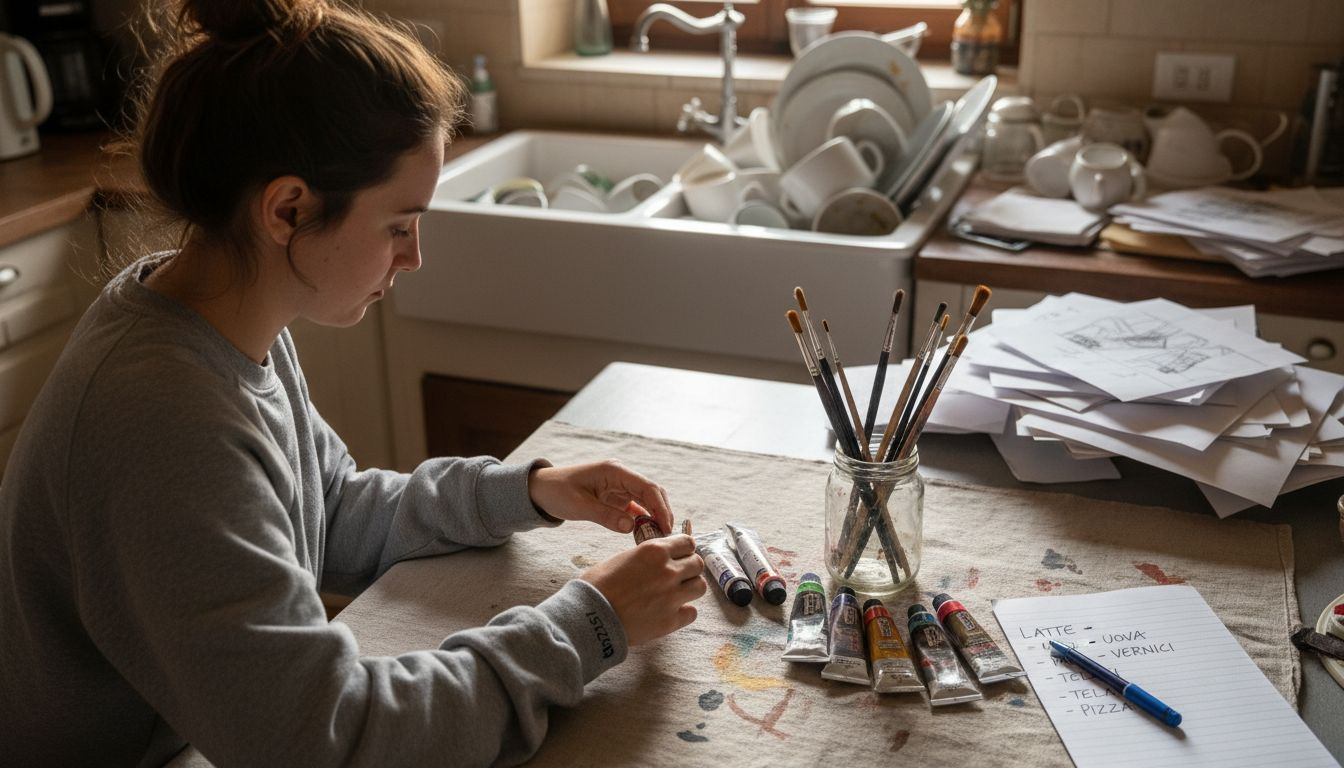
The ideal space must ensure freedom of movement and surface protection. Cover tables with plastic tarps or newspaper. Ensure natural lighting or powerful lamps to see details and colors accurately. Keep running water nearby to quickly clean tools and hands.
Basic tools vary according to the chosen activity:
- Painting: brushes of different sizes, acrylic or tempera paints, canvases or thick paper, water containers, mixing palettes
- Ceramics: polymer or natural clay, modeling tools, kiln or access to firing, glazes and protective varnishes
- Creative cooking: fresh ingredients, specific utensils, mixing bowls, food decorations, cutting and shaping tools
Pro Tip: Make a written list before buying materials. Avoid waste by only purchasing the necessary quantities for the first project.
Initial costs remain affordable. A beginner's DIY kit costs on average:
| Activity | Basic kit cost | Materials included |
|---|---|---|
| Painting | €25 - €40 | 6 colors, 3 brushes, 2 small canvases |
| Ceramics | €30 - €50 | 500g clay, 3 tools, basic varnish |
| Creative cooking | €20 - €35 | Basic ingredients, 2 molds, decorations |
The average time to complete a basic manual artistic experience is about 2-3 hours. This interval allows for preparation, execution, and final cleanup without excessive fatigue. Plan sessions on weekends or in the evenings when you have optimal energy and concentration.
Preventive organization includes checking material availability at least 24 hours in advance. Check that every tool works correctly and that paints or ingredients have not expired. This preparation drastically reduces interruptions during creative work, keeping focus and motivation high from start to finish.
For ceramics workshops, creativity, stress, and benefits for beginners, consider spaces with direct access to restrooms for frequent washing and safe disposal of waste.
Step-by-Step Guide for Common Artistic Experiences
Successfully executing an artistic activity requires following a logical sequence that eliminates confusion and reduces errors. This detailed guide covers the essential phases applicable to most creative experiences.
Phase 1: Environment and Material Preparation
Gather all tools on an accessible table. Verify that every item on the list is present and functional. Wear clothes that can get dirty or use protective aprons. This initial preparation prevents frustrating interruptions during the creative phase.
Phase 2: Project Understanding
Read the instructions completely before touching any material. 40% of users abandon the activity due to a lack of clear instructions. Visualize the desired final result through photos or examples. Identify critical steps that require more attention or time.
Phase 3: Sequential Execution
- Start with the base or main structure of the project
- Proceed with details and decorations after completing supporting elements
- Respect indicated drying or resting times between phases
- Keep the workspace clean by removing already used materials
- Periodically check that the result matches the original plan
Pro Tip: Photograph each completed phase. These images become valuable references for replicating the project or teaching it to others.
Average times vary according to complexity. A simple acrylic painting requires 90 minutes, including initial drying. A basic ceramic sculpture needs 2 hours plus separate firing time. A creative cooking project is generally completed in 60-90 minutes.
Adapt techniques based on participants' age. For children under 8, simplify complex steps and use non-toxic, washable materials. Teenagers and adults handle more precise tools and elaborate techniques that require greater patience.
To discover local creative hobbies in your area, explore dedicated platforms that aggregate experiences and workshops. Craft courses for creativity offer professional structure for those who wish to deepen specific techniques.
Maintain high motivation during the activity:
- Celebrate small progress by completing each phase
- Allow short breaks every 45 minutes to avoid fatigue
- Encourage personal experimentation within project limits
- Create a relaxing music playlist as background
When choosing a creative project, evaluate your current level and desired goals. Overly ambitious projects lead to frustration, while overly simple activities quickly become boring. For family activities like creating paper puppets, prioritize simplicity and shared fun over technical perfection.
Common Mistakes and How to Avoid Them
Even with careful preparation, some recurring errors compromise the artistic experience. Knowing them in advance allows you to effectively prevent them.
A lack of detailed instructions is the main cause of failure. 40% of users abandon the activity due to a lack of clear instructions. Always look for guides with photos or videos that show each step. Avoid vague tutorials that take intermediate steps or technical knowledge for granted.
A disorganized workspace creates confusion and slows down the process. Scattered materials make it difficult to find tools at the right time, interrupting the creative flow. Prepare everything in advance, grouping elements by phase of use.
Improper use of chemical materials causes health problems and poor results. Always read the labels of paints, solvents, and glues before use. Respect the indicated proportions for mixtures and drying times. Store products in original, clearly labeled containers.
"Preparing the space and fully reading the instructions prevent 80% of common errors in creative workshops for beginners."
Frequent errors to avoid:
- Skipping the preparation phase to save time
- Using damaged or inadequate tools for the project
- Ignoring drying times between phases
- Overloading the project with too many details simultaneously
- Not adequately protecting surfaces and clothing
- Neglecting immediate cleaning of tools after use
Haste is a silent enemy of quality. Many beginners rush critical phases to see the final result, compromising structural stability or aesthetic rendering. Respect the natural times of each material.
Preparing the environment before starting includes checking the room's temperature and humidity. Some materials, like clay or chocolate, react negatively to extreme conditions. Maintain a temperature between 18 and 22 degrees for optimal results in most activities.
Simple visual guides outweigh lengthy textual explanations. Look for resources that show each phase photographically with minimal annotations. The brain processes images 60,000 times faster than text, making visual learning more effective for manual activities.
Safety Precautions
Safety during manual artistic experiences requires constant attention to materials, environment, and behavior. Preventing accidents protects health and ensures that the activity remains enjoyable for everyone.
Chemical or toxic materials present in paints, solvents, and glues require conscious handling. Read safety data sheets before use, checking hazard symbols and first aid instructions. Avoid direct contact with skin and eyes by using appropriate protective barriers.
Environmental ventilation prevents the accumulation of harmful vapors. Open windows and doors when using products with strong odors or solvents. Use fans to create a constant airflow that carries vapors away from the breathing zone. In enclosed spaces without windows, postpone activities involving volatile substances.
Essential personal protective equipment:
- Disposable gloves to protect hands from irritants
- Safety glasses when working with splashes or dust
- Waterproof apron to protect clothing and skin
- Mask if generating fine dust or using sprays
"A safe and well-ventilated environment drastically reduces health risks during creative activities, allowing for complete focus on the artistic process without worries."
Setting up a safe space includes removing obstacles that cause trips. Secure electrical cords with tape, remove movable rugs, and keep hallways clear. Place a fire extinguisher and first aid kit in accessible and visible locations.
For families with children, apply strict rules on permitted materials. Avoid sharp tools, high temperatures, and toxic substances. Constantly supervise children's activities, always maintaining direct visual contact. Establish designated zones where children can move freely without accessing dangerous materials.
Specific rules for corporate team building include an initial safety briefing. Designate a supervisor who monitors compliance with procedures throughout the activity. Provide written instructions in addition to verbal explanations to ensure complete understanding by all participants.
Store dangerous materials in locked cabinets when not in use. Clearly label each container with the product name and hazard symbols. Keep incompatible materials separate that could react dangerously if accidentally mixed.
Practical Applications: Family Activities and Corporate Team Building
Manual artistic experiences are perfectly suited for family and corporate contexts, generating specific benefits for each target through targeted customization.
Families find quality time together in creative activities, away from digital distractions. Safe and stimulating projects for children include finger painting, creating collages with natural materials, and decorating prefabricated ceramic objects. These workshops develop fine motor coordination while strengthening emotional bonds.
Shared creativity between parents and children creates tangible memories that last over time. Each completed work becomes a concrete symbol of the experience lived together. Children develop self-esteem by seeing their creations displayed at home, while parents rediscover creative abilities often dormant in daily routines.
Corporate workshops represent powerful tools for effective team building. Unlike traditional activities like sports or competitive games, artistic workshops require authentic collaboration towards shared creative goals. Corporate hierarchies dissolve when everyone works together on manual projects.
Examples of recommended activities for different contexts:
- Collective painting: team creates a common mural by combining individual canvases
- Functional ceramics: each participant models an element of a coordinated set
- Creative cooking: groups prepare a complete menu collaborating on different dishes
- Woodworking: building useful office objects with personalization
Organizing creative events in Italy requires considering logistics and timing. To organize creative team tours, assess the availability of equipped spaces, the number of participants, and the optimal duration that balances project completion with other work commitments.
Practical tips for effective planning:
- Define clear objectives: strengthen communication, stimulate innovation, or simply have fun
- Choose an activity aligned with the group's average abilities, avoiding frustration
- Book an adequate space at least 2 weeks in advance
- Communicate practical details to participants: clothing, duration, what to bring
- Collect structured feedback at the end to improve future experiences
The increase in collaboration through artistic workshops emerges from unique dynamics. Colleagues who rarely interact discover affinities by working side by side on creative projects. The joint resolution of artistic challenges transfers skills applicable to daily work problems.
Evaluating Results and Success Metrics
Measuring the effectiveness of a manual artistic experience requires objective criteria that go beyond mere subjective impression. Structured evaluation tools allow for continuous improvement of future activities.
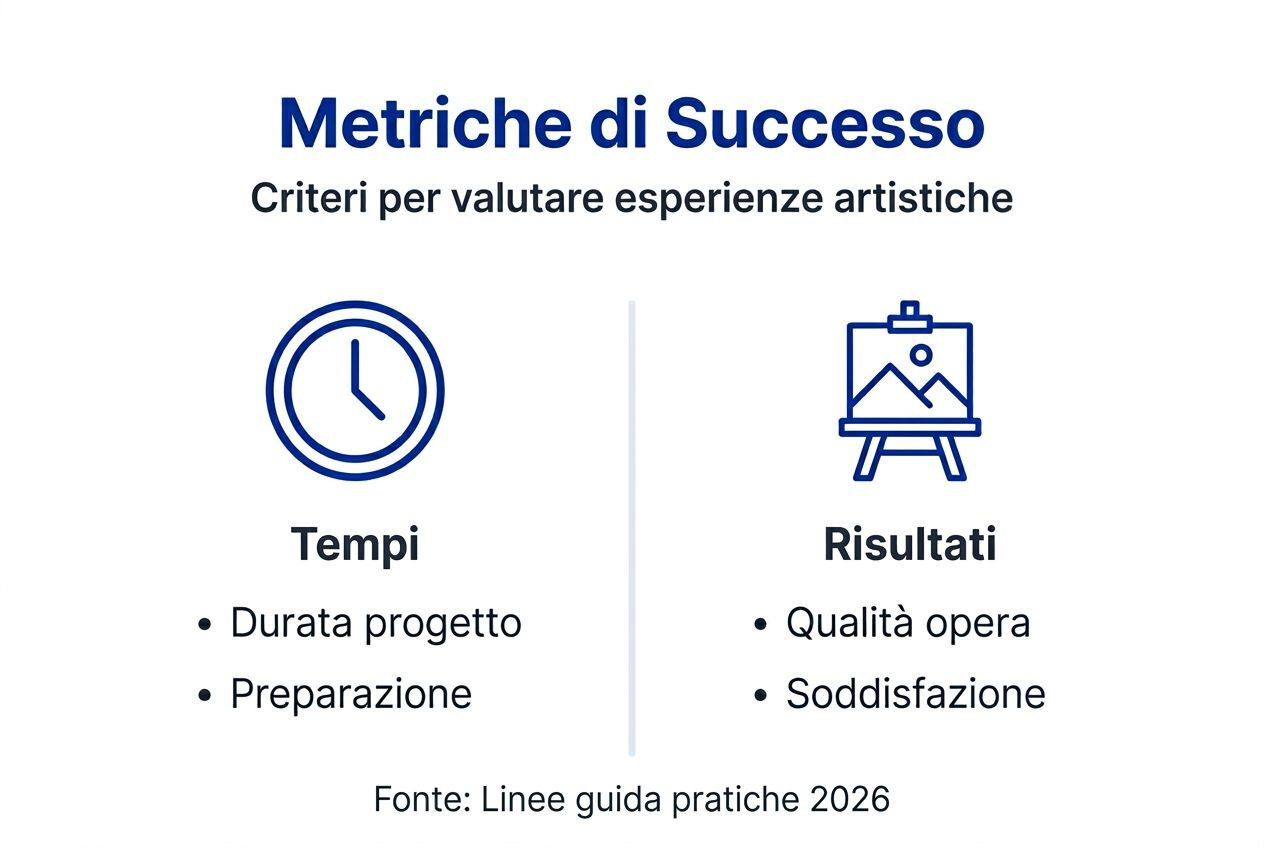
Completion within 2-3 hours represents a fundamental time criterion. Activities that drag on excessively cause fatigue and loss of interest. Monitor actual times for each phase, identifying bottlenecks that slow down the process and require optimization.
Collecting structured feedback from participants provides valuable data. Distribute short questionnaires at the end of the activity, asking for numerical ratings on key aspects: clarity of instructions, adequacy of materials, satisfaction with the final result, likelihood of repeating the experience.
Indicators of creative effectiveness include:
- Percentage of participants who successfully complete the project
- Level of customization applied compared to the base model
- Number of questions or requests for clarification during the activity
- Aesthetic and functional quality of the works produced
- Enthusiasm shown during and after the experience
The analysis of improvement in manual skills emerges by comparing initial projects with subsequent works by the same participant. Systematic photographic documentation allows tracking objective progress in precision, creativity, and technical complexity approached with increasing confidence.
The average time to complete a basic experience is 2-3 hours; personal satisfaction exceeding 70% is an indicator of success. These parameters represent reliable benchmarks for evaluating whether the activity has met its objectives.
Specific metrics for different activities:
| Activity | Main Metric | Success Target |
|---|---|---|
| Painting | Completion of recognizable work | 85% participants |
| Ceramics | Functional object without cracks | 75% participants |
| Creative cooking | Presentable and edible dish | 90% participants |
| Team building | Perceived collaboration improvement | 80% positive feedback |
Using metrics to optimize future workshops includes systematic analysis of collected data. Identify recurring patterns: phases that generate confusion, insufficient materials, or underestimated times. Each feedback cycle informs concrete adjustments for the next iteration.
Also evaluate long-term impact through follow-up after 1-2 weeks. Ask if participants have replicated the activity independently, shared the experience with others, or developed ongoing interest in that creative field. These indicators reveal whether the experience has generated lasting value beyond the immediate moment.
Artistic Alternatives and Informed Choice
Knowing the advantages and limitations of different artistic types allows you to choose the most suitable activity for your objectives, budget, and available skills.
Painting offers immediate accessibility with minimal investment. Basic materials are inexpensive, and visible results emerge quickly even for absolute beginners. Main limitation: requires careful cleaning and a splatter-protected space. Suitable for free emotional expression and unconstrained chromatic experimentation without rigid technical constraints.
Handmade Italian ceramics represent a millennial tradition with a steeper learning curve. Clay requires an understanding of physical properties and complex firing processes. Higher initial investment for tools and kiln access. Distinct advantage: creates durable functional objects with practical daily value in addition to aesthetic value.
Creative cooking combines art with immediate gratification of an edible product. Costs vary according to chosen ingredients, generally accessible. Limitations include rapid spoilage of the result and the need for basic food safety knowledge. Perfect for social events where sharing food amplifies the collective experience.
| Feature | Painting | Ceramics | Creative Cooking |
|---|---|---|---|
| Initial Cost | €25 - €40 | €30 - €50 | €20 - €35 |
| Average Duration | 90 - 120 min | 120 - 180 min | 60 - 90 min |
| Skills Required | Minimal | Moderate | Basic |
| Family Safety | High | Medium | High with supervision |
| Lasting Result | Yes | Yes | No |
| Ease of Cleaning | Medium | Low | High |
Ceramics as a hobby develops patience and attention to detail through a long process that requires waiting between phases. This slower pace is not suitable for those seeking immediate gratification but rewards those who appreciate the meditative aspect of repetitive manual work.
Choosing the most suitable activity requires an honest assessment of:
- Actual available time without interruptions
- Realistic budget including future consumable materials
- Adequate physical space at home or need for an external location
- Level of patience and tolerance for initial trial and error
- Final objective: functional objects, decoration, therapeutic process
The impact on creativity varies according to personal preferences. Analytical people find satisfaction in ceramics where technical precision produces predictable results. Expressive personalities prefer painting which allows free improvisation without structural consequences. Social individuals gravitate towards cooking where immediate sharing of the result generates connection.
For artistic hobby ideas that balance accessibility with gratifying results, consider hybrid activities that combine elements from different disciplines. Prefabricated ceramic decoration offers pictorial creativity on functional three-dimensional objects.
Personal satisfaction depends on the alignment between expectations and the reality of the experience. Preliminary research through video tutorials and direct testimonials prevents disappointments from overly ambitious or unstimulating projects compared to one's current level.
Discover Club Joy's Creative Workshops
After exploring techniques, materials, and strategies for successful artistic experiences, the next step is to put them into practice with professional support. Club Joy offers curated workshops throughout Italy where you can transform this theoretical knowledge into concrete skills.
Our workshops range from painting to ceramics, creative cooking, and much more, guided by expert artisans who accompany you step-by-step. Each experience includes professional materials, detailed instructions, and a safe environment to experiment without pressure.
For corporate teams, the expressive drawing workshop offers collaborative activities that strengthen team communication and innovation. Families find projects suitable for all ages, creating shared memories through manual creativity.
Visit Club Joy to explore available experiences in your city. If you are an artisan or creative professional, join our become a host program and share your passion with an enthusiastic community of eager learners.
Frequently Asked Questions
What is a manual artistic experience?
A manual artistic experience is a creative activity that involves the direct manipulation of physical materials to create artistic or craft works. It includes disciplines such as painting, ceramics, sculpture, creative cooking, and working with natural materials. These experiences combine practical learning with personal expression, resulting in tangible objects that reflect the participant's creativity.
How long does it take to complete a basic art workshop?
The average time to complete a basic manual artistic experience is 2-3 hours. This interval allows for space preparation, project execution, and final cleanup without causing fatigue. More complex activities like ceramics with firing require additional time for technical phases, while simple painting or creative cooking projects can be completed in 60-90 minutes while maintaining quality results.
How can I avoid errors during artistic activities?
Always follow detailed guides with clear visual instructions for each phase of the project. Lack of clear instructions causes 40% of failures in artistic activities. Carefully prepare your workspace before starting, gathering all necessary materials and protecting surfaces. Use materials appropriate for your skill level and respect drying or resting times between phases.
Which artistic activities are most suitable for families with children?
Painting with non-toxic and washable paints is the ideal choice for young children, allowing free expression without risks. Simple creative cooking such as cookie decorating or making shapes with dough involves everyone safely and fun. Activities with natural materials like collages with leaves or creating objects with salt dough stimulate creativity using non-toxic elements. Constant adult supervision ensures safety while keeping the experience pleasant and educational for the whole family.