
Types of Workshops in Italy: A Practical Guide for Creatives 2026
Choosing the right workshop among the hundreds of creative offerings available in Italy can seem complicated. Every year, thousands of enthusiasts seek practical experiences to explore new manual techniques, but not all courses offer the same quality or are suitable for their skill level. This guide will help you understand the different types of workshops available in 2026, the criteria for selecting the most effective ones, and where to find them. You'll discover how to transform your curiosity into a concrete passion through structured and engaging training programs.
Table of Contents
- Criteria for Choosing the Ideal Creative Workshop
- The Main Types of Manual Workshops in Italy
- Focus on Weaving Workshops: Techniques and Materials
- Iconic Events and Locations for Creative Workshops in Italy
- Comparative Table of Workshop Types in Italy
- Discover and Book Your Creative Workshops with Club Joy
- Frequently Asked Questions about Workshop Types in Italy
Key Points
| Point | Details |
|---|---|
| Workshops with clear objectives | The best workshops offer practical experiences with tangible results and structured paths for every level |
| Diverse creative types | From weaving to quilling, including calligraphy and creative recycling, each discipline caters to specific interests |
| National events 2026 | Abilmente Primavera 2026 brings workshops to Vicenza, Rome, and Milan, involving over 260,000 enthusiasts |
| Active participation | Effective workshops prioritize collaborative and hands-on learning over passive theory |
| Resources and platforms | Dedicated online tools exist to find and book workshops suited to your creative passions |
Criteria for Choosing the Ideal Creative Workshop
Before enrolling in any course, you need to evaluate some fundamental elements. Clear objectives and tangible results make a workshop truly effective. A well-designed course allows you to understand from the outset what you will learn and what you will take home at the end of the experience.
Active participation is the heart of every quality workshop. Forget lectures where you passively listen for hours. The best courses get you hands-on immediately, quite literally. Collaboration with other participants enriches learning and allows you to compare different approaches to the same technique.
Professional facilitation makes the difference between a memorable and a disappointing experience. An expert instructor doesn't just demonstrate techniques but creates an environment where you feel free to experiment and make mistakes. Always check the facilitator's credentials and read reviews from previous participants.
When evaluating a workshop, consider these practical aspects:
- Duration and frequency of sessions (intensive one-day or multi-session program)
- Materials provided or to be brought independently
- Group size (smaller classes ensure more attention)
- Required skill level and progression of competencies
- Total cost including materials and any certifications
Pro Tip: Contact the organizer directly before signing up. Ask for details about the program, materials, and required skill level. This conversation will help you understand if the workshop truly meets your expectations and if the teaching approach aligns with your learning style.
To delve deeper into selection criteria, consult the guide on how to choose practical art workshops 2026 which analyzes the elements to consider in detail.
The Main Types of Manual Workshops in Italy
The Italian landscape of creative workshops has enriched enormously in recent years. The growing popularity of hands-on experiences reflects the desire for creative expression and the development of practical skills. In 2026, you will find a varied offer covering practically every artistic and artisanal field.
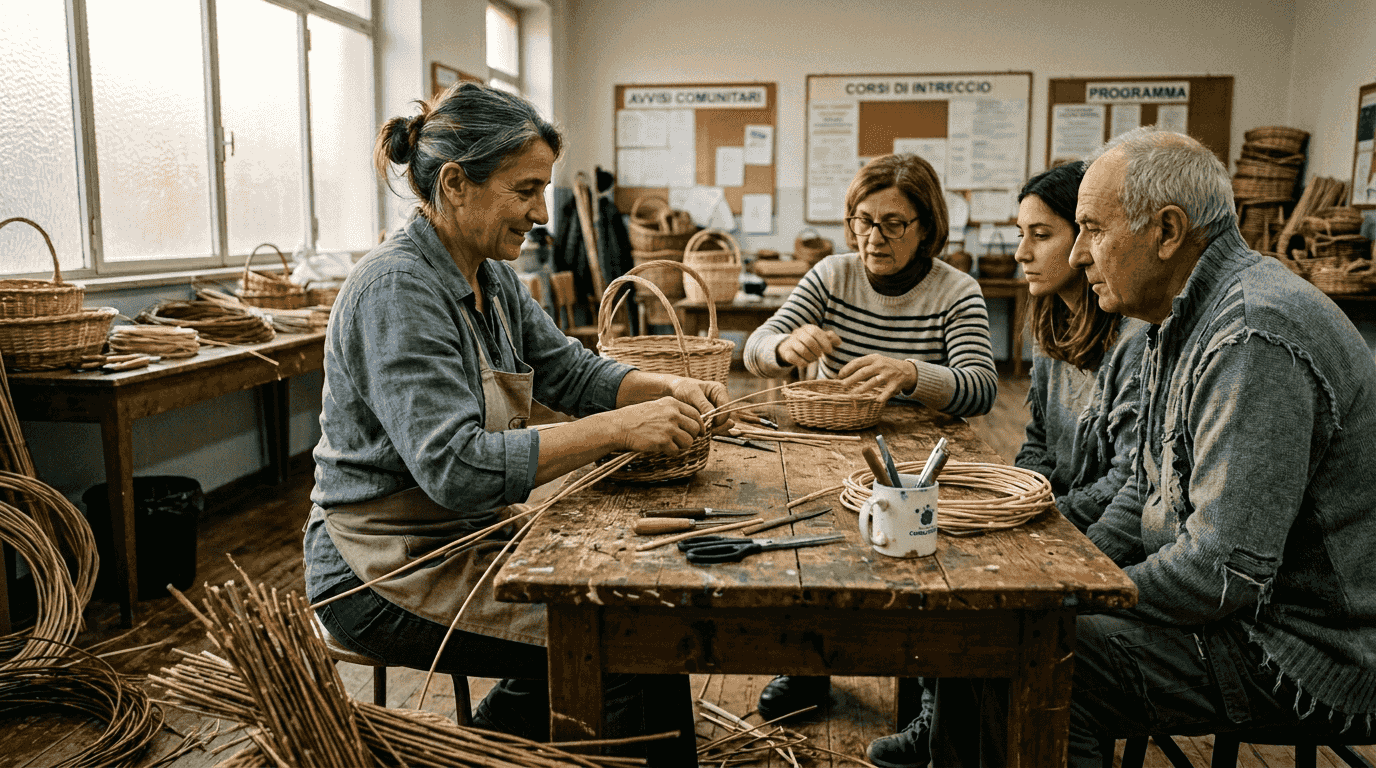
Weaving workshops use natural materials such as wicker, rush, and pith, or synthetic and recycled cords. These courses teach traditional and contemporary techniques to create baskets, decorative objects, and artistic installations. The three-dimensional aspect of weaving attracts designers, artists, and simple enthusiasts.
Quilling, or paper filigree, represents a decorative art perfect for those who love precision. You roll colored paper strips to create elaborate compositions, personalized greeting cards, or decorative pictures. This technique requires patience but offers surprising results even for beginners.
Watercolor painting is gaining more and more creatives thanks to its immediate expressive power. Dedicated workshops guide you in water management, color mixing, and layering techniques. You learn to create landscapes, portraits, or abstract compositions with this versatile medium.
Creative recycling transforms waste materials into useful and decorative objects. These workshops teach you to see potential where others see waste. Glass bottles become vases, old jeans turn into bags, wooden pallets are reborn as original furniture.
Other highly requested workshops include:
- Artisan bookbinding for personalized books and notebooks
- Modern calligraphy and creative lettering for invitations and labels
- Scrapbooking to preserve memories in unique photo albums
- Creative sewing to make accessories and clothing items
- Ceramics and clay modeling on the wheel or freehand
Most workshops follow a gradual progression:
- Theoretical introduction to materials and basic techniques
- Practical demonstration by the instructor
- Guided exercises to familiarize yourself with the tools
- Creation of a complete project to take home
- Personalized feedback and suggestions for continuing independently
Discover the different categories available in the guide to types of craft courses for creativity which explores each creative field in depth.
Focus on Weaving Workshops: Techniques and Materials
Weaving workshops deserve special attention for their technical richness and versatility. The structured approach to teaching techniques allows for progression from basic to advanced levels in a progressive and rewarding way.
The typical structure begins with material selection. You learn to recognize the characteristics of rigid and soft cords, natural ones like pith or synthetic ones like polypropylene. Each material requires a different approach and offers unique aesthetic possibilities. Recycled materials are gaining popularity for their sustainability.
Basic techniques include creating the warp (the supporting structure) and the weft (the woven elements). You master simple movements that become automatic with practice. Three-dimensional weaving adds complexity, allowing you to create curved shapes and articulated volumes.
The target audience for these workshops is surprisingly varied:
- Educators looking for creative activities for their students
- Hobbyists eager to learn a relaxing manual art
- Designers interested in incorporating weaving into their projects
- Artists exploring new expressive mediums
The hands-on experience is the heart of the workshop. You perform practical exercises of increasing complexity, culminating in the creation of a small basket or decorative object. This tangible output motivates you and gives you confidence in your newly acquired skills.
Pro Tip: Bring a notebook to jot down technical sequences and take photos of critical steps. Weaving involves precise sequences that can seem confusing when you get home. Having a personal visual reference will allow you to continue practicing independently and develop more complex projects.
The combined teaching of technique and creative application distinguishes excellent workshops from mediocre ones. You don't just learn to weave, but to think three-dimensionally and solve structural problems. For a complete overview of the workshop experience, read the perfect craft workshop experience guide.
Iconic Events and Locations for Creative Workshops in Italy
2026 offers numerous opportunities to immerse yourself in creative experiences through dedicated events. Abilmente Primavera 2026 will touch Vicenza, Rome, and Milan, involving over 260,000 enthusiasts in workshops, courses, and meetings with industry experts.
Abilmente represents the national benchmark for the DIY community. Each edition offers hundreds of short courses and intensive workshops on calligraphy, scrapbooking, creative sewing, artistic recycling, and much more. The exhibition stands allow you to discover new materials and tools, while dedicated areas host continuous demonstrations.
| City | 2026 Dates | Main Workshop Themes | Average Course Duration |
|---|---|---|---|
| Vicenza | March | Weaving, ceramics, decorative painting | 2-4 hours |
| Rome | April | Calligraphy, scrapbooking, handmade jewelry | 1-3 hours |
| Milan | May | Textile design, creative recycling, artistic printing | 2-5 hours |
Abilmente Academy expands the offer with more structured programs. Recognized artists and master artisans facilitate intensive experiences that last a full day or a weekend. These in-depth courses allow you to acquire solid skills in a specific discipline.
To participate effectively:
- Book the most requested workshops well in advance (some sell out in a few days)
- Plan your visit focusing on a maximum of 2-3 courses to avoid overcrowding
- Bring a spacious bag for materials and creations made
- Wear comfortable clothes that can get dirty during practical activities
In addition to Abilmente, many Italian cities host permanent dedicated spaces. Milan, Florence, and Bologna boast craft workshops open to the public with rich monthly schedules. Check creative events in Milan November to discover local opportunities.
Comparative Table of Workshop Types in Italy
To facilitate your choice, here is a detailed comparison of the main types of workshops available in 2026.
| Type | Main Materials | Key Activities | Suitable for Beginners | Average Duration | Practical Output |
|---|---|---|---|---|---|
| Weaving | Cords, wicker, pith | Warp creation, 3D weaving | Yes | 3-5 hours | Basket or decorative object |
| Quilling | Paper strips, glue, rolling tools | Paper rolling, decorative composition | Yes | 2-3 hours | Card or small picture |
| Watercolor painting | Paints, brushes, special paper | Color mixing, wet-on-wet techniques | Yes | 3-4 hours | Complete painting |
| Creative recycling | Various waste materials | Object transformation, creative assembly | Yes | 2-4 hours | Functional object |
| Calligraphy | Nibs, ink, paper | Letter tracing, text composition | Moderate | 3-5 hours | Calligraphic composition |
| Scrapbooking | Decorative paper, photos, embellishments | Page layout, decorative techniques | Yes | 2-3 hours | Personalized album |
Weaving and calligraphy workshops require more time to develop the necessary manual skills. Quilling and scrapbooking offer immediate gratification even to absolute beginners. Watercolor painting has a moderate learning curve but visible results from the first sessions.
Events like Abilmente concentrate the offer into a few days, while permanent workshops distribute courses throughout the year. Consider your time availability and the level of commitment you want to dedicate before choosing.
Key benefits common to all types:
- Development of new manual and creative skills
- Stress reduction through meditative activities
- Connection with a community of enthusiasts
- Creation of unique and personalized objects
Potential disadvantages to consider: some materials can be expensive to continue at home, certain techniques require dedicated spaces and specific equipment. Evaluate these aspects based on your practical possibilities.
Explore the different options in the artistic experiences guide 2026 for a complete overview of creative opportunities.
Discover and Book Your Creative Workshops with Club Joy
After exploring the different types of workshops, it's time to take action. Club Joy offers a curated selection of creative experiences guided by expert artists throughout Italy. The platform allows you to easily discover and book practical workshops that transform your curiosity into concrete skills.
You can participate in the expressive drawing workshop to unleash your creativity through innovative techniques. If you're looking for immersive experiences near Milan, explore the artist-led experiences near Milan that combine art and local culture. Enthusiasts of traditional techniques will appreciate the workshop on the art of fresco painting where you learn to create lasting works with ancient methods.
Club Joy facilitates the connection between creatives and quality workshops, ensuring authentic experiences and qualified instructors. Each workshop is selected to offer real value and tangible results.
Frequently Asked Questions about Workshop Types in Italy
What is a workshop and how does it differ from a traditional course?
A workshop is a practical and intensive experience where you learn by doing, not just by listening. Unlike traditional courses that prioritize theory, workshops get you hands-on immediately with materials and tools. The duration is usually short (from a few hours to a weekend) and the goal is to produce something concrete.
What are the most commonly used materials in manual workshops?
Materials vary depending on the discipline: paper and cardboard for quilling and scrapbooking, natural and synthetic cords for weaving, paints and brushes for painting, fabrics for creative sewing. Many workshops provide all necessary materials in the registration fee. Some require you to bring basic materials like scissors, glue, or a protective apron.
How do I choose a workshop suitable for my experience level?
Carefully read the course description which always indicates the required level: beginner, intermediate, or advanced. If you are new to it, look for workshops that specify "no experience necessary." Contact the organizer to clarify any doubts about the level. Many facilitators offer progressive paths starting from the basics.
Where can I find events and fairs with creative workshops in Italy?
Abilmente Primavera 2026 is the main event with stages in Vicenza, Rome, and Milan. Check the calendars of cultural spaces and craft workshops in major Italian cities. Platforms like Club Joy aggregate selected workshops in various locations. Follow local artists' and artisans' social media profiles to discover initiatives in your area.
What practical benefits are gained by participating in these workshops?
You develop concrete manual skills that you can immediately apply at home. You reduce stress through creative activities that require concentration and mental presence. You create unique and personalized objects instead of buying industrial products. You connect with a community of people who share your creative passions.